
INTRODUCTION.
Georgia is a canvas of powerful visuals, and the abandoned spas and bathhouses of Tskaltubo increase these visuals exponentially.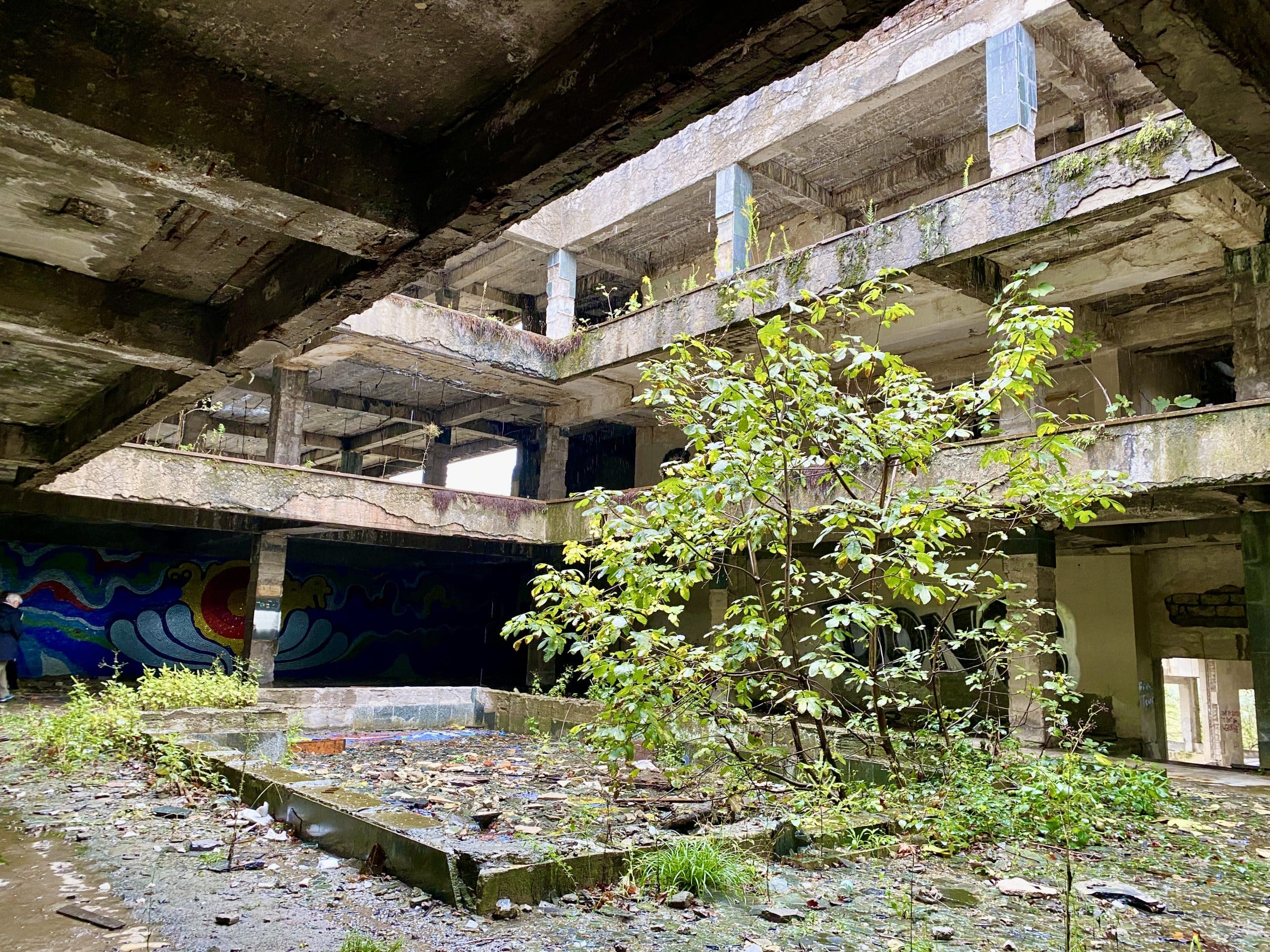
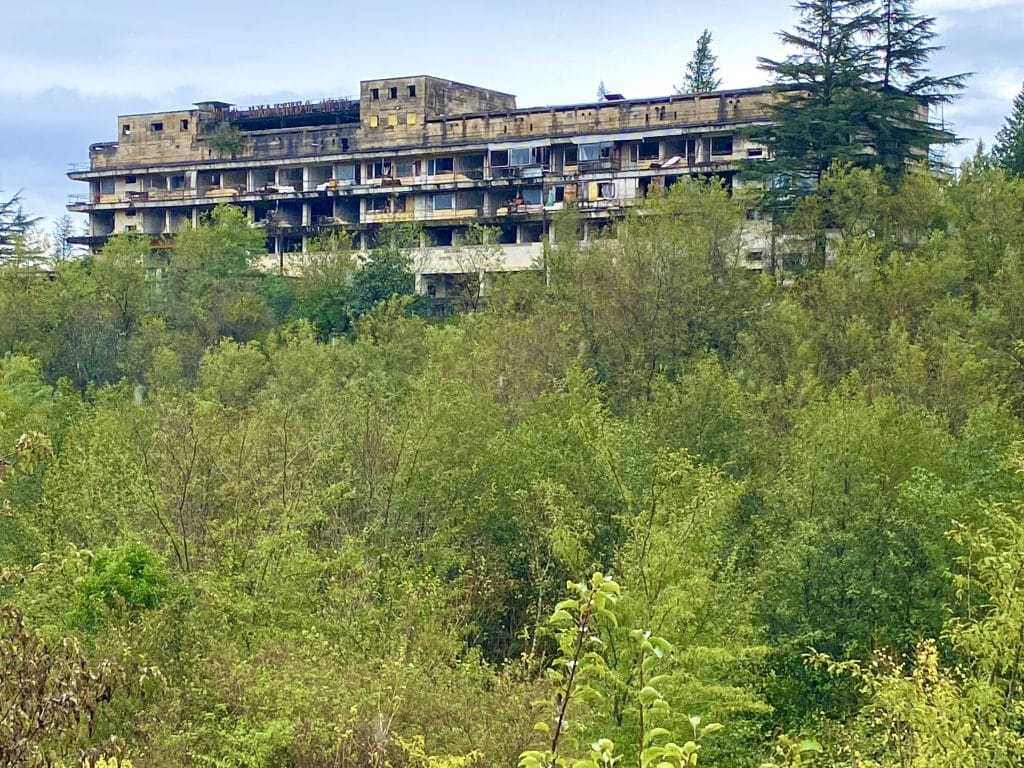
I knew about the abandoned buildings in Tbilisi and had seen some remarkable refurbishments, bringing these once-abandoned, empty buildings back to life. This was one of the main reasons for my visit to Georgia, to learn more about them– but nothing could have prepared me for my first sight of an abandoned spa building in Tskaltubo. My immediate thought was: is this real?
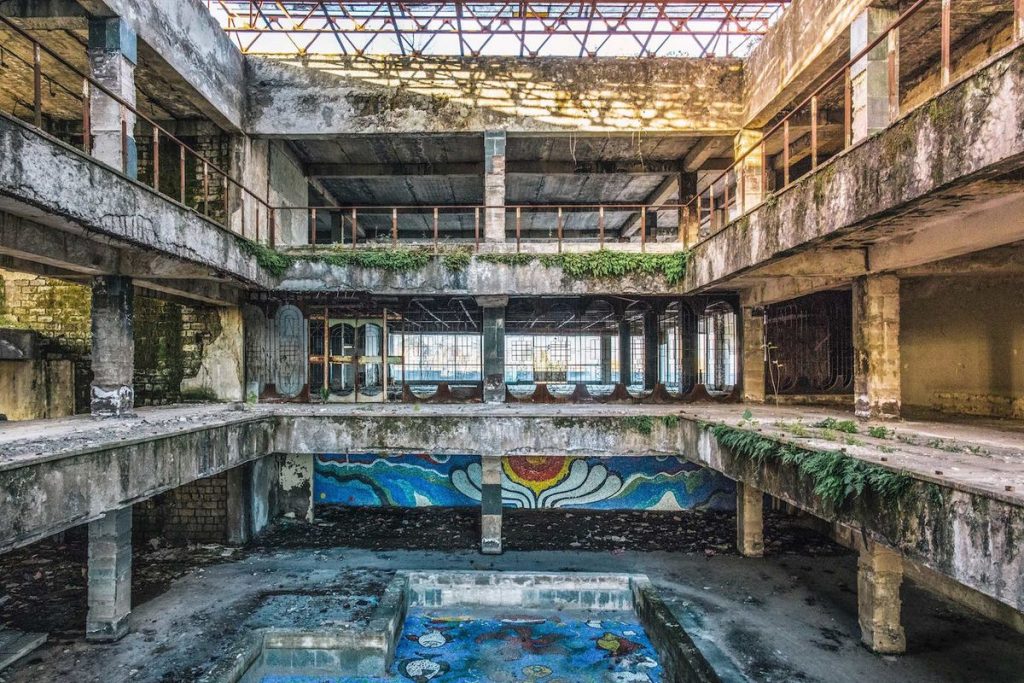
Observing several more abandoned, decaying spa buildings, it appeared to be a graveyard of Brutalist-style buildings, that were built during the Soviet era, 1921 — 1991.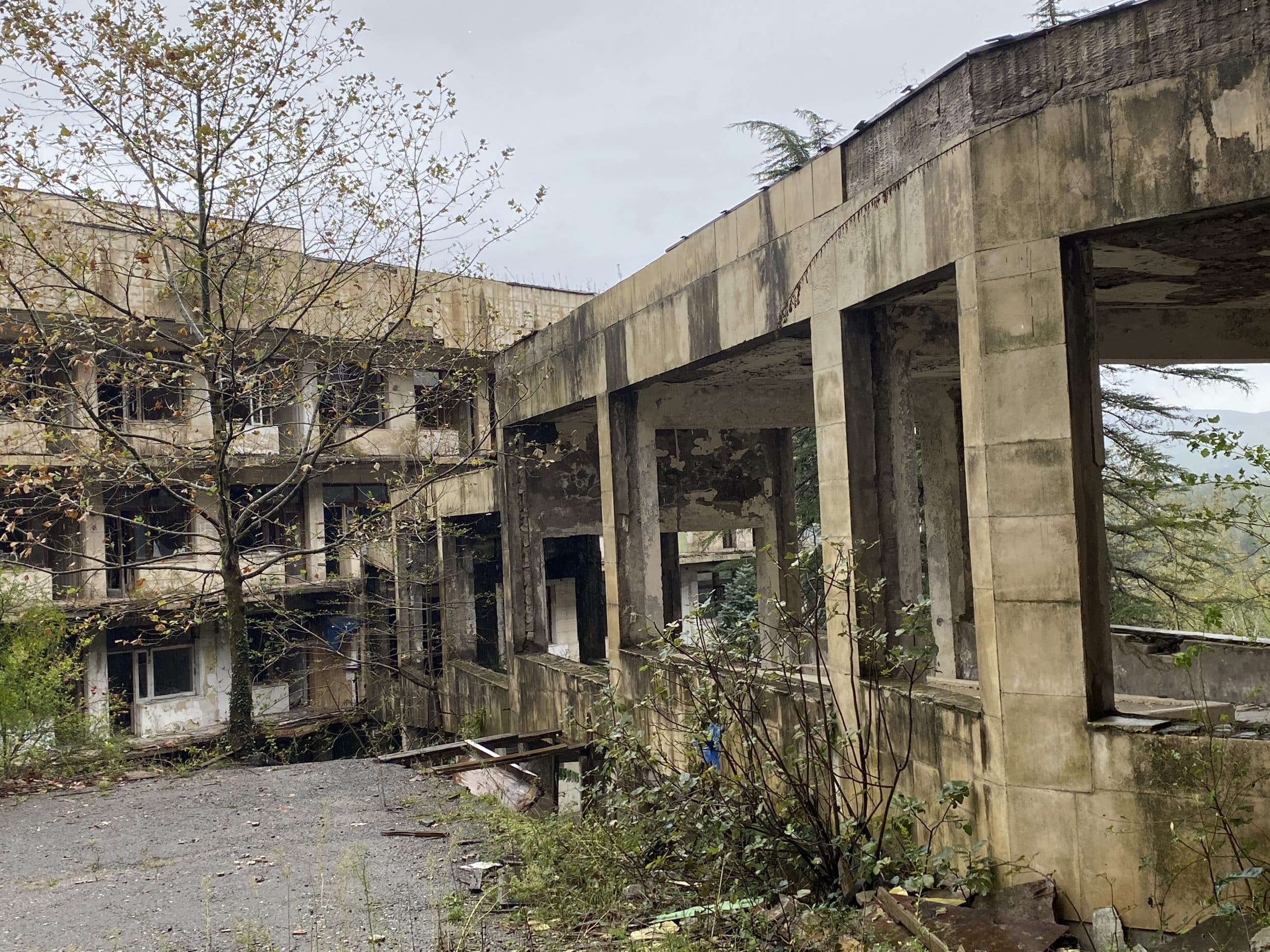
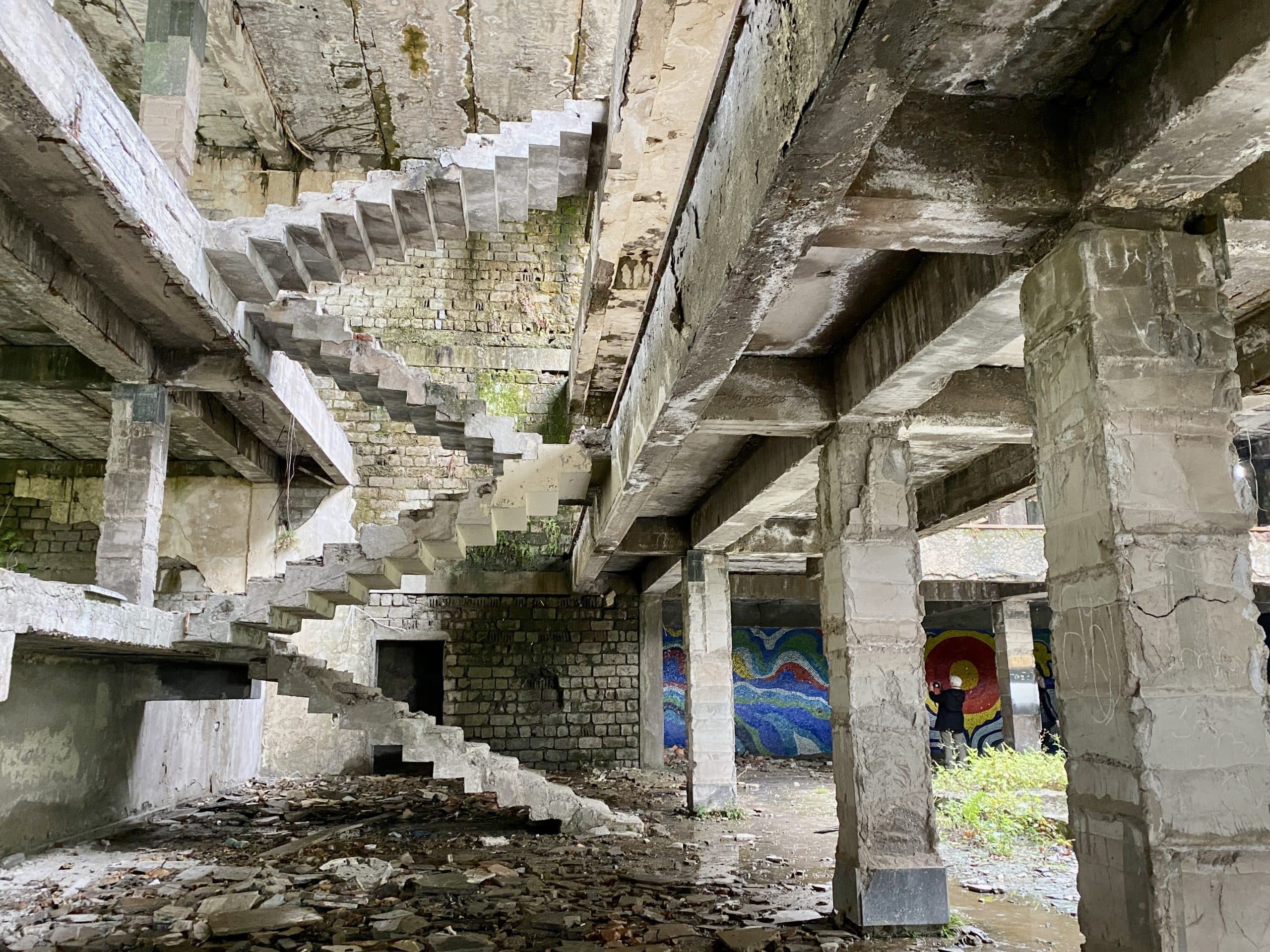
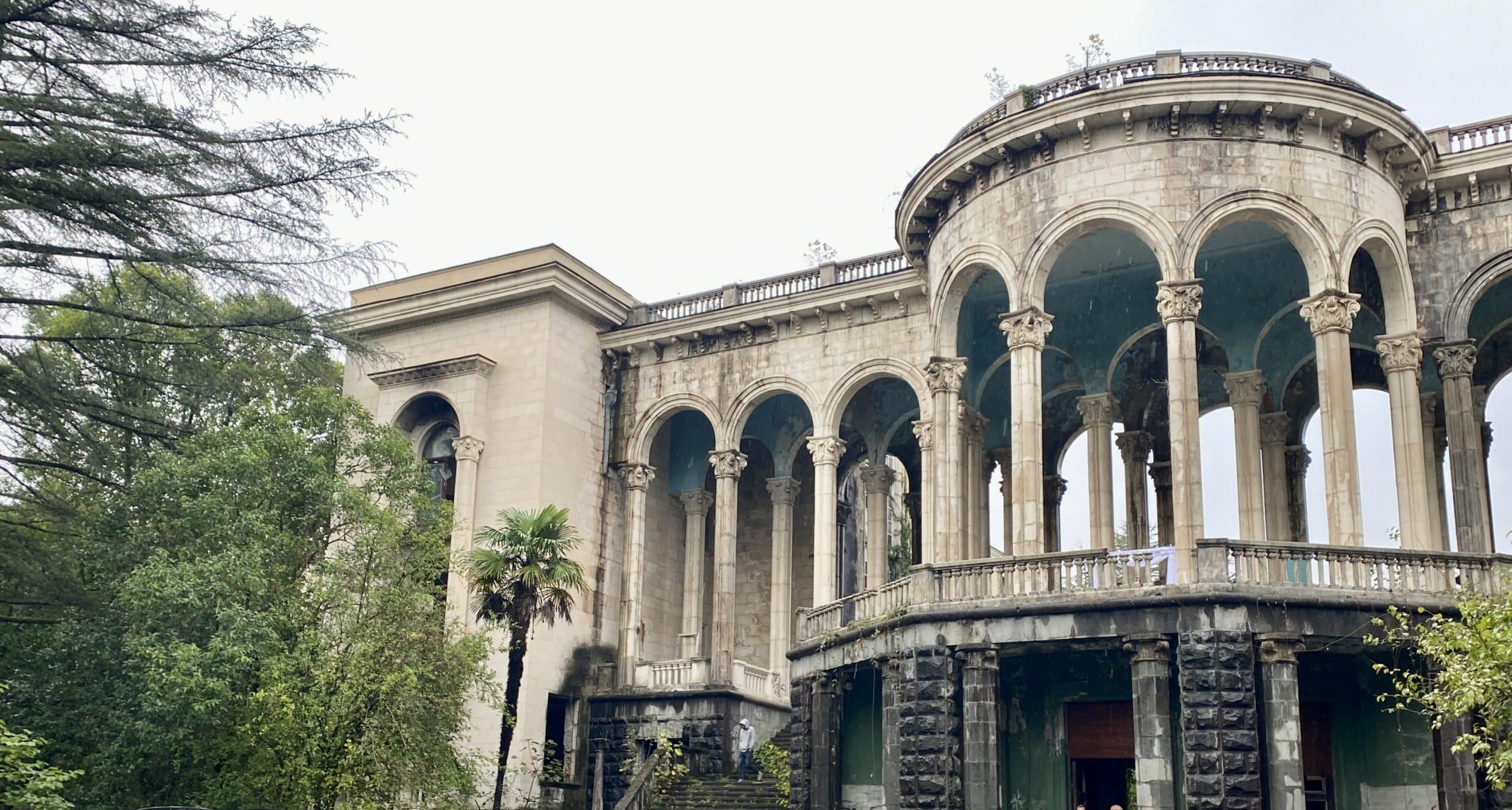
Now abandoned since the early 1990s, they were rich with the patina of age acquired from repeated cycles of spring, summer, autumn, and winter, lashed by wind and rain and the only signs of life were the trees and blades of grass that survived within their inhospitable structures.
In some of the buildings, only the framework was left standing, incomplete, decayed by the elements, missing chunks of concrete that had fallen off, lying in pieces on the ground. Even though they were built of concrete, they were rotting.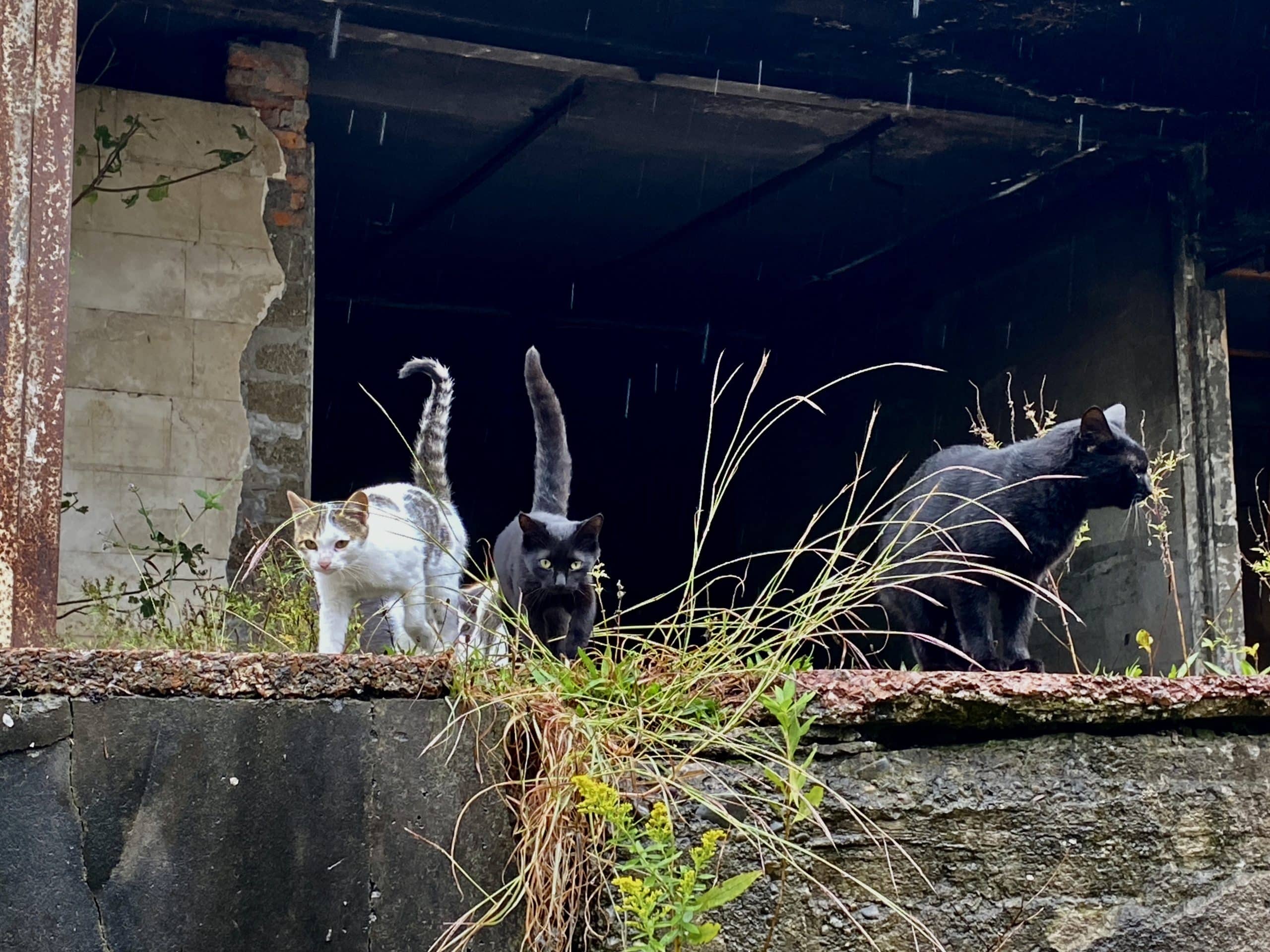
They were devoid of life except for the few friendly cats that lived there and the abandoned dogs that followed the tourists. The word that comes to mind is surreal.

WHAT WAS THE REASON FOR THE SPAS?
Tskaltubo, a spa town in Georgia, was part of the USSR during the Soviet era, 1921 — 1991. As early as the 13th Century it became known for the natural underground springs that bubbled away below the town’s surface, known as the “waters of immortality.”
At a temperature of 33 – 35 degrees Celsius, (91 degrees Fahrenheit), they needed no heating. The water was said to benefit the cardiovascular and endocrine systems, arthritis, rheumatism, and more or less any other medical or hypochondriacal condition known to man! The springs are naturally carbonated, sulfur and radon rich — the same “radon” deemed carcinogenic in the United States where it is suspected of being a cause of lung cancer. Here it is welcomed because it reduces inflammation.

THE SOVIET ERA — 1921 — 1991
IMPETUS FOR THE GROWTH OF TSKALTUBO
As part of its welfare system, The Soviet Union guaranteed its workers “the right to rest”, the privilege to spend two weeks rejuvenating at a designated spa. These were State prescribed holidays and Tskalkubo was a favorite choice.
Each year, as many as 125,000 Russians, mostly workers, would make the scenic journey across Russia by train, arriving at the Tskaltubo station for their all-expenses paid leave and the opportunity to bathe in the “Waters of Immortality!” More spas were built to cope with the influx of Russians coming to Tskaltubo until it was a thriving Russian spa town. The spas were designed to include sleeping accommodations, restaurants, concert halls, and medical facilities all under one roof. Quite a contrast to the other 50 weeks of the year spent toiling in one or another repetitive boring industry!
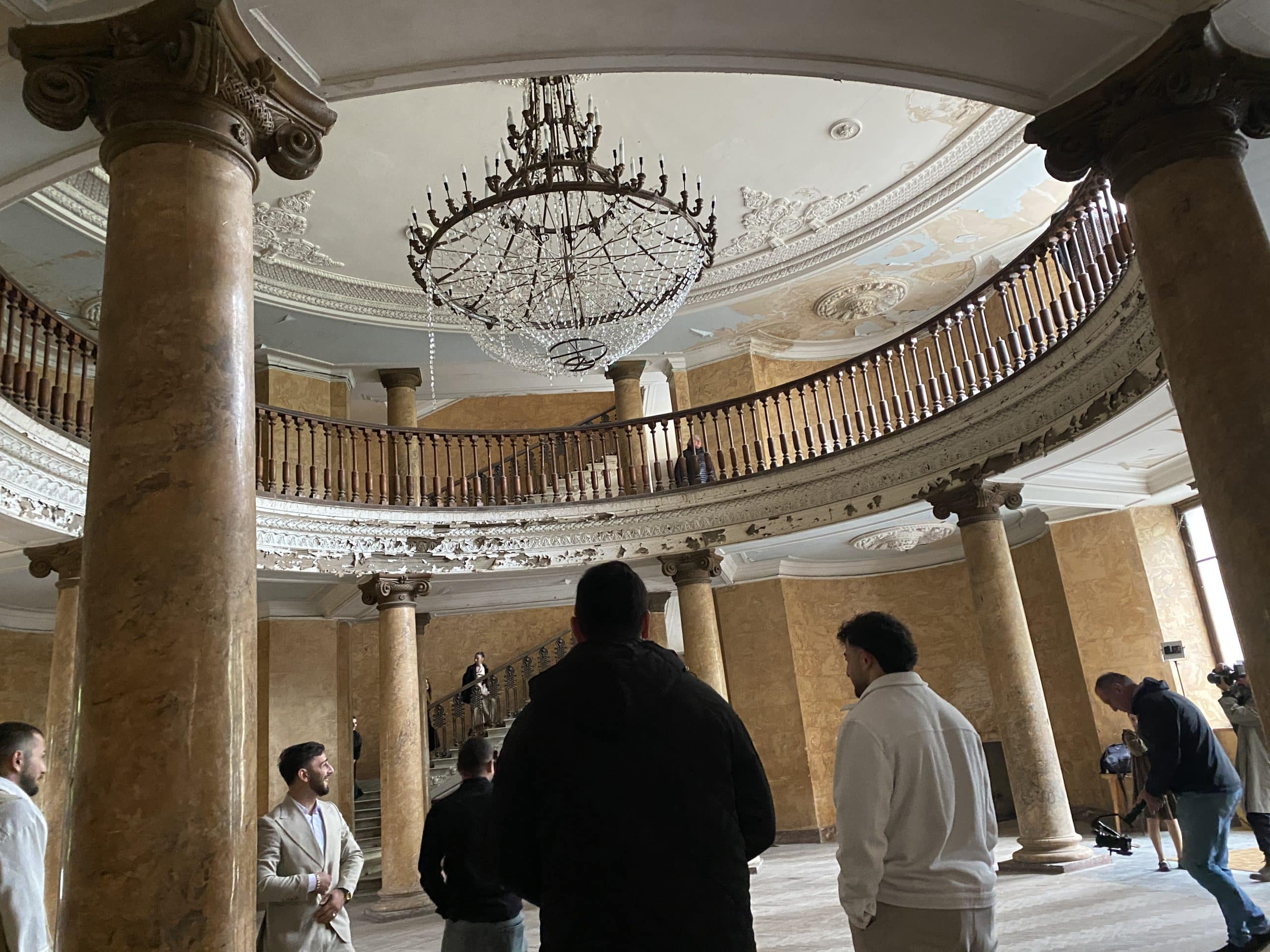
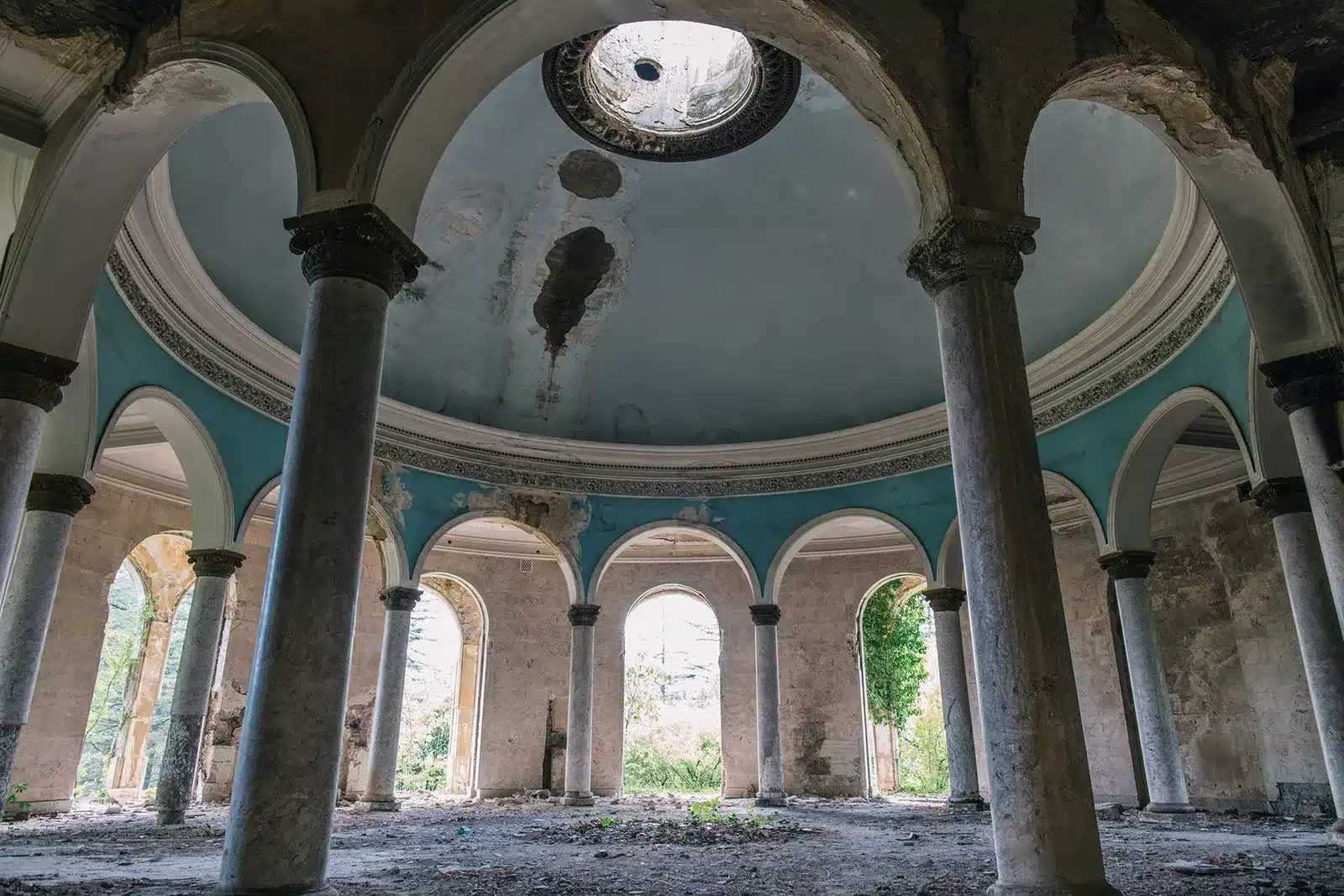
No expense was spared with their lavish finishes, including walls lined with exquisitely veined marble, elaborately plastered wall finishes, and crystal chandeliers suspended from high ceilings.
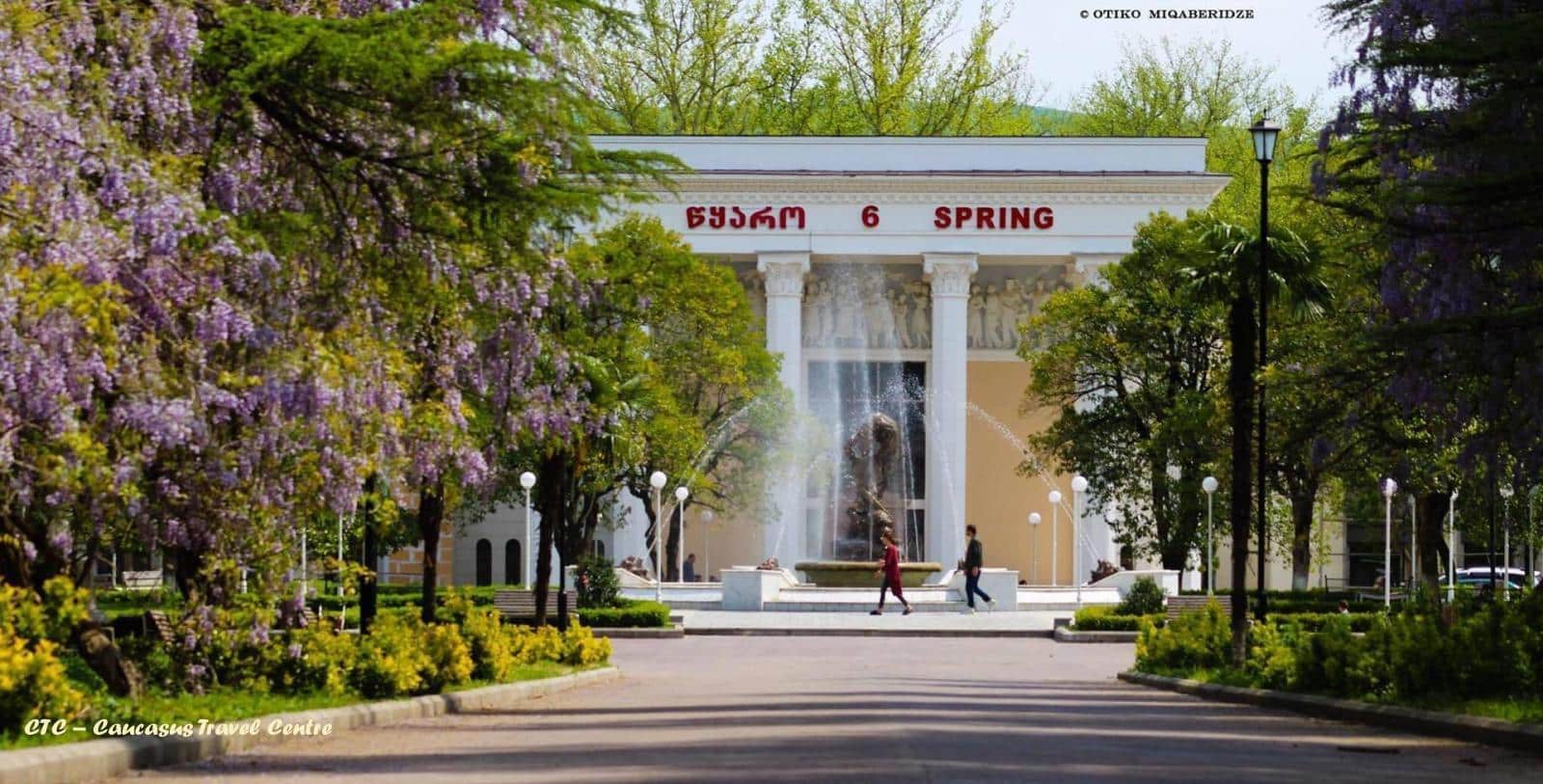
The spas were not only used by the workers — Tskaltubo was also the favored town of the Russian elite and the higher echelon of Soviets. The building known as Spring No. 6, shown above, was built for Joseph Stalin in 1950, and he also had a compound a short distance from the center of Tskaltubo where he could vacation privately with his family and entourage.
Suffering from leg pain, Stalin’s Moscow doctor prescribed balneological treatment, (therapeutic bathing in the medicinal springs) using the bubbling sulfur radon waters to treat his condition.
Ryan Koopmans, a photographic diarist who arrived in Tskaltubo in 2015 wrote that Stalin’s compound was popular with tourists wanting to see it but his private houses had been looted of almost everything and some of the buildings were used by local farmers to house their livestock!
THE COLLAPSE OF THE SOVIET UNION
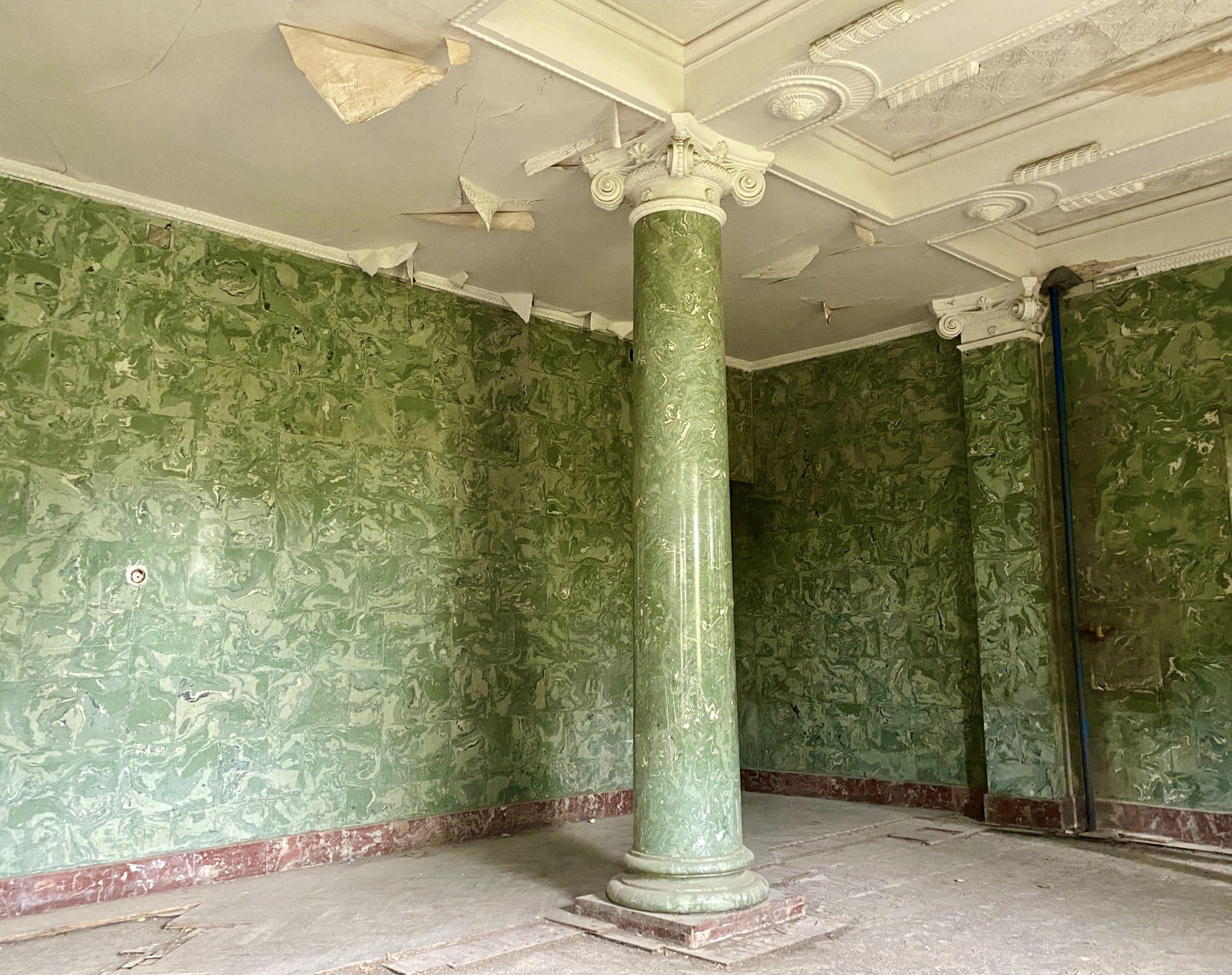
The Soviet era came to a sudden end in 1991 when Georgia gained independence and the Russians were no longer being despatched to Tskaltubo — with no visitors the spa industry collapsed and Tsalkubo fell off the map. The buildings were abandoned, and remained empty, the locals and others seized the opportunity to help themselves to some “freebies” and stripped the buildings of anything they could, pipes, ducts, electrical fittings, anything that could be sold or used– even beautiful flooring and built-in furniture was ripped out and used for firewood.

When touring with”Focused Escapes”, we saw some of these buildings and it was alarming to see their former grandeur in ruins, stripped of furniture, paint peeling, and window panes broken.

This is a visual of one of the spa buildings after the Georgians returned from Abkhazia.
The Abhkazi War –and a new use for the Abandoned buildings
The Abkhazi war broke out in 1991. when Abhkazi Separatists supported by Russia, fought to gain their independence from Georgia. It was a horrendous, bloody war and a lot of lives were lost. Georgians living in Abkhazia were forced to flee because of ethnic cleansing. It is estimated that 200,000 ethnic Georgians who were living in Abkhazia, fled from their secure lives, and of these, between 9,000 — 12,000 internally displaced Georgians arrived in Tskaltubo, as refugees. They were homeless and needed somewhere to live. Suddenly a new purpose was found for the empty spa buildings: they were used to house the refugees!
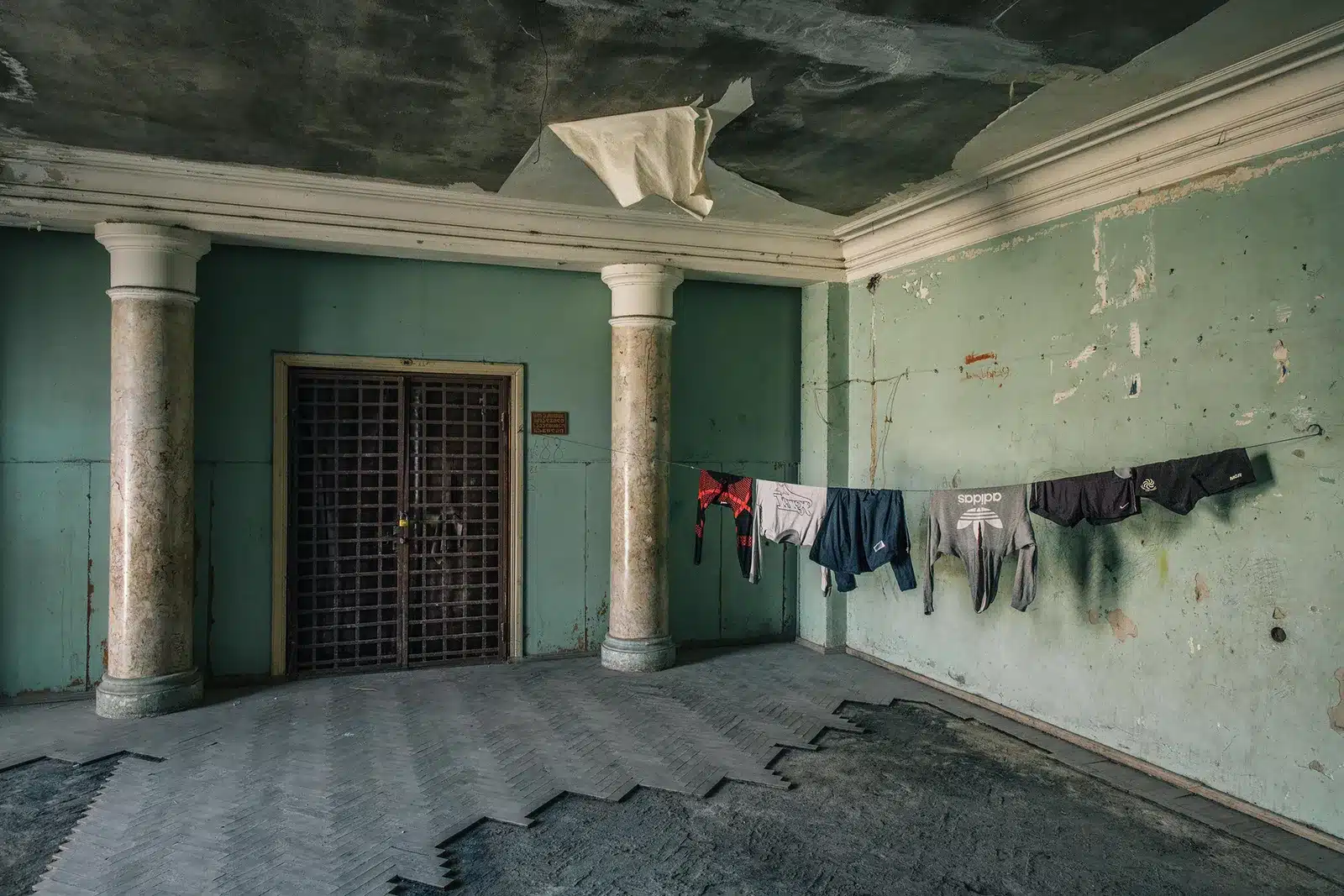
The newcomers did their best to make the accommodations liveable, connecting the dangling electric wires to siphon off electricity and finding the waterlines. Most of the refugees were subsequently moved to other accommodations and homes were built for them — but about 50 families, comprising at least 2,000 people remained in the abandoned, crumbing buildings to this day where they have lived since 1992/3 It is a tragedy that Children born to these families in the 1990s have not known any other home growing up, except the tawdriness of this stripped down accommodation.

As we were leaving one of the refurbished spas, I looked up and saw balconies had been enclosed with makeshift walls and washing was hanging up to dry. I knew nothing of the remaining refugees being housed in the building – I thought perhaps a caretaker was living there, and was shocked to learn about these displaced persons.
VISITING A RESTORED SPA.
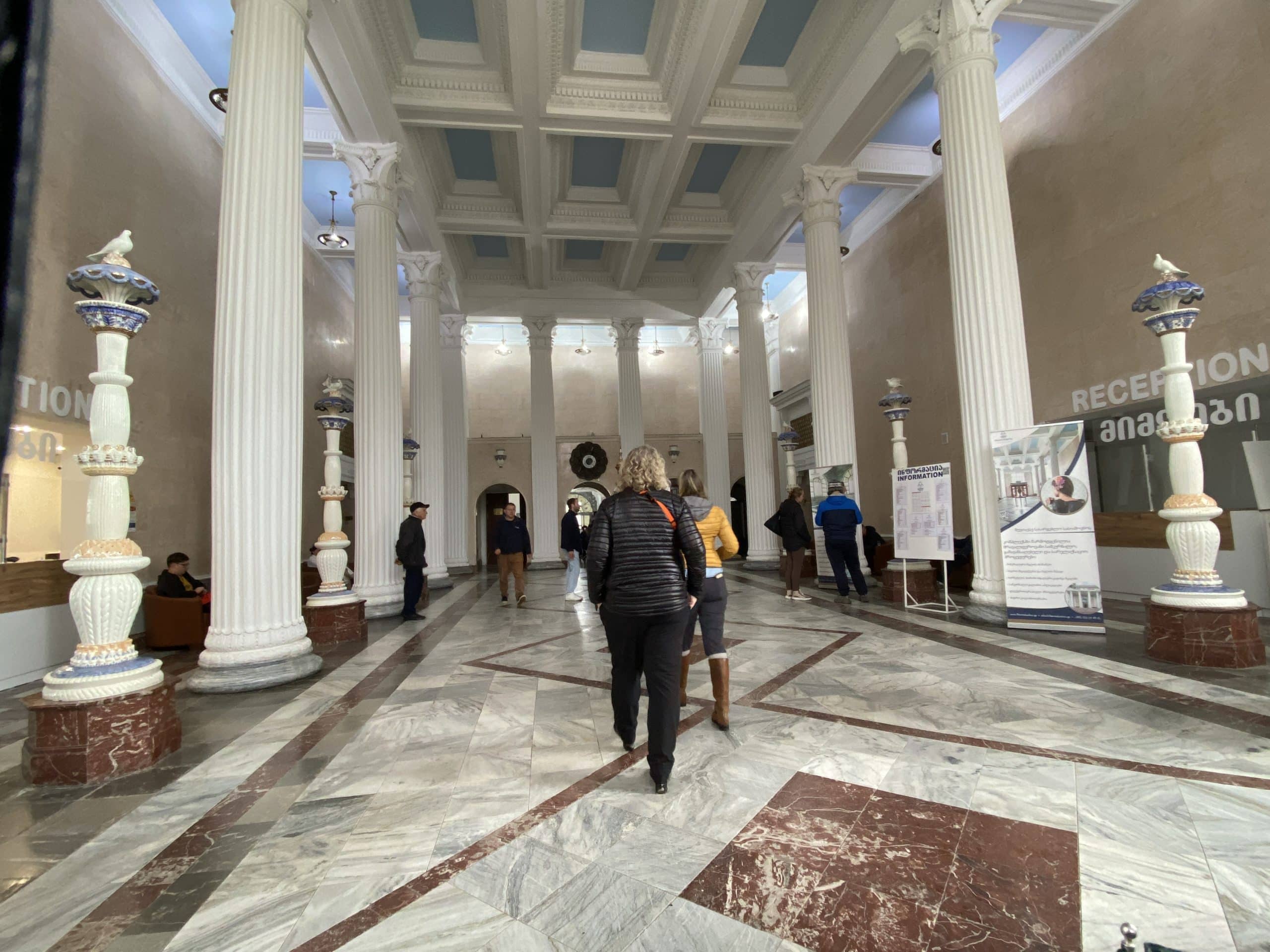
We visited one of the restored spas and the contrast of coming from the abandoned Brutalist buildings to this elegant, “yards of marble and classic columns spa”, was like night and day. White-coated spa nurses and doctors were in attendance and there was an extensive Spa Menu of treatments.
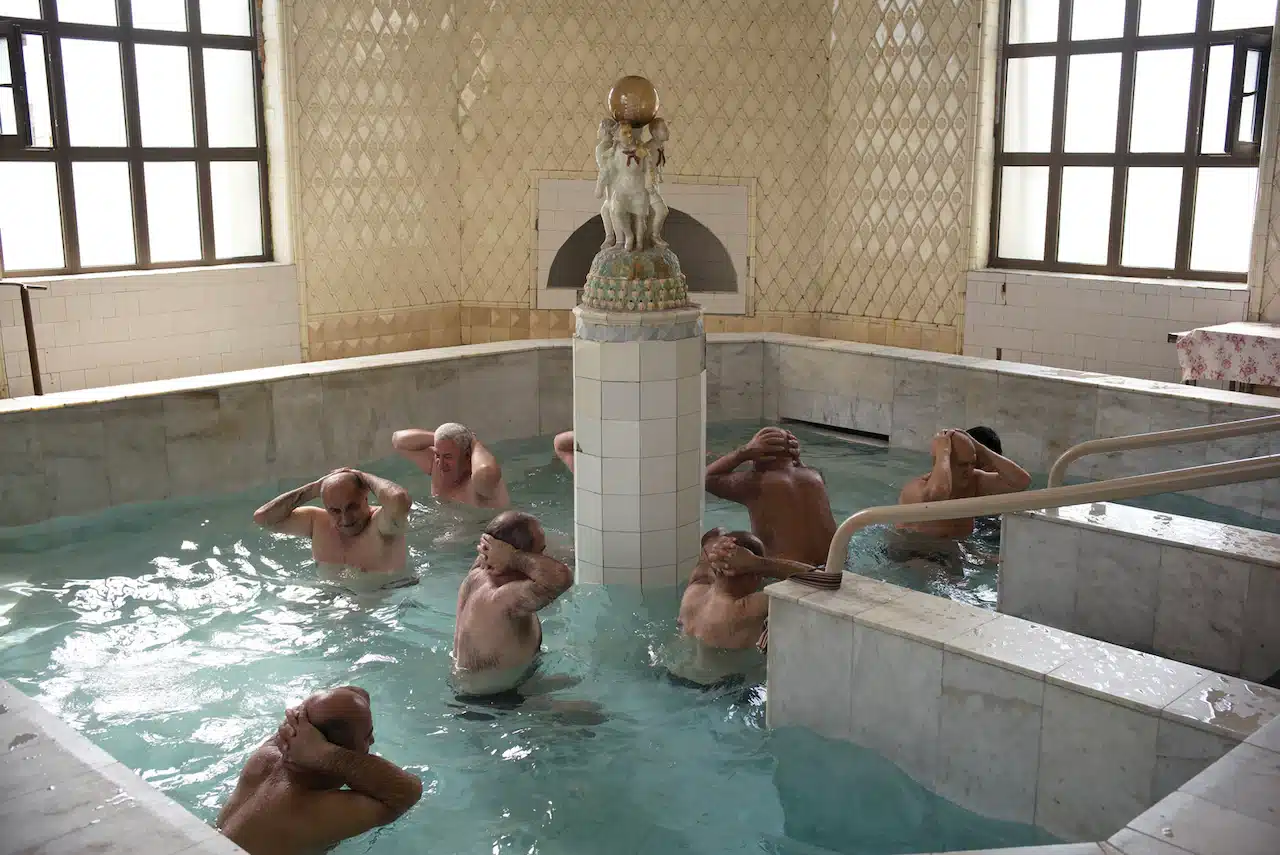
This is the same pool shown earlier in the black and white photo after it has been restored and updated.
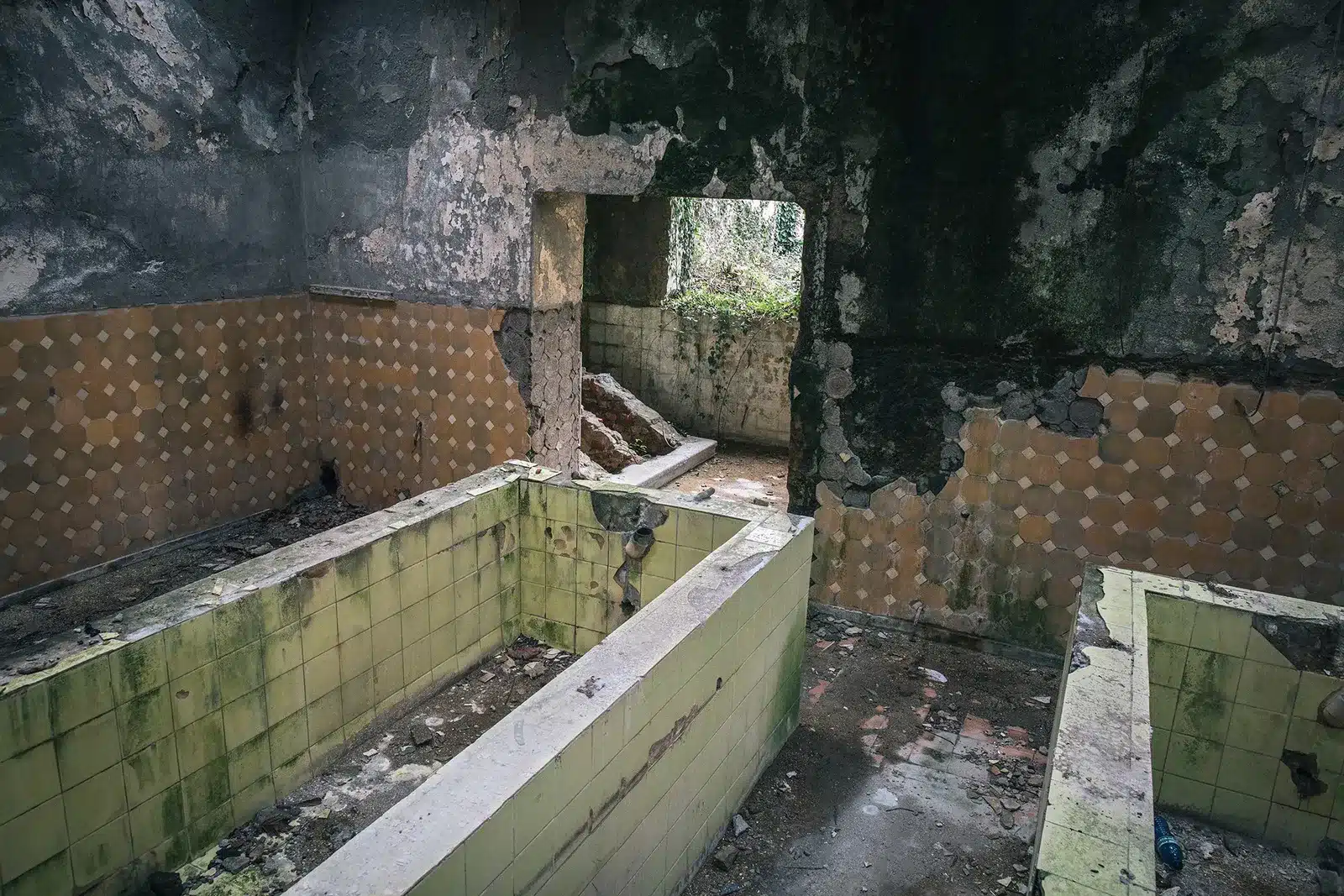
These baths show the decayed condition before the spas were restored.
Walking around we got a view of the treatment rooms as well as the balneological therapy baths that harness the radon-rich thermal mineral water from the underground springs. There is an extensive spa menu of treatments offering many modern treatments including dental, longevity, sleep therapy, dermatological, metabolic diseases, infertility, cosmetic treatments, and even shock therapy that is said to help with depression and mental illness.
HOW CHANGE CAME ABOUT
Now that I know more about how change came to Tskaltubo, I am reminded of the whirlpool theory.
Imagine a pool with one small circle whose ripples create another circle, then another, and the circles keep increasing in size and strength as the whirlpool grows, gaining momentum, and pulling everything toward the center.
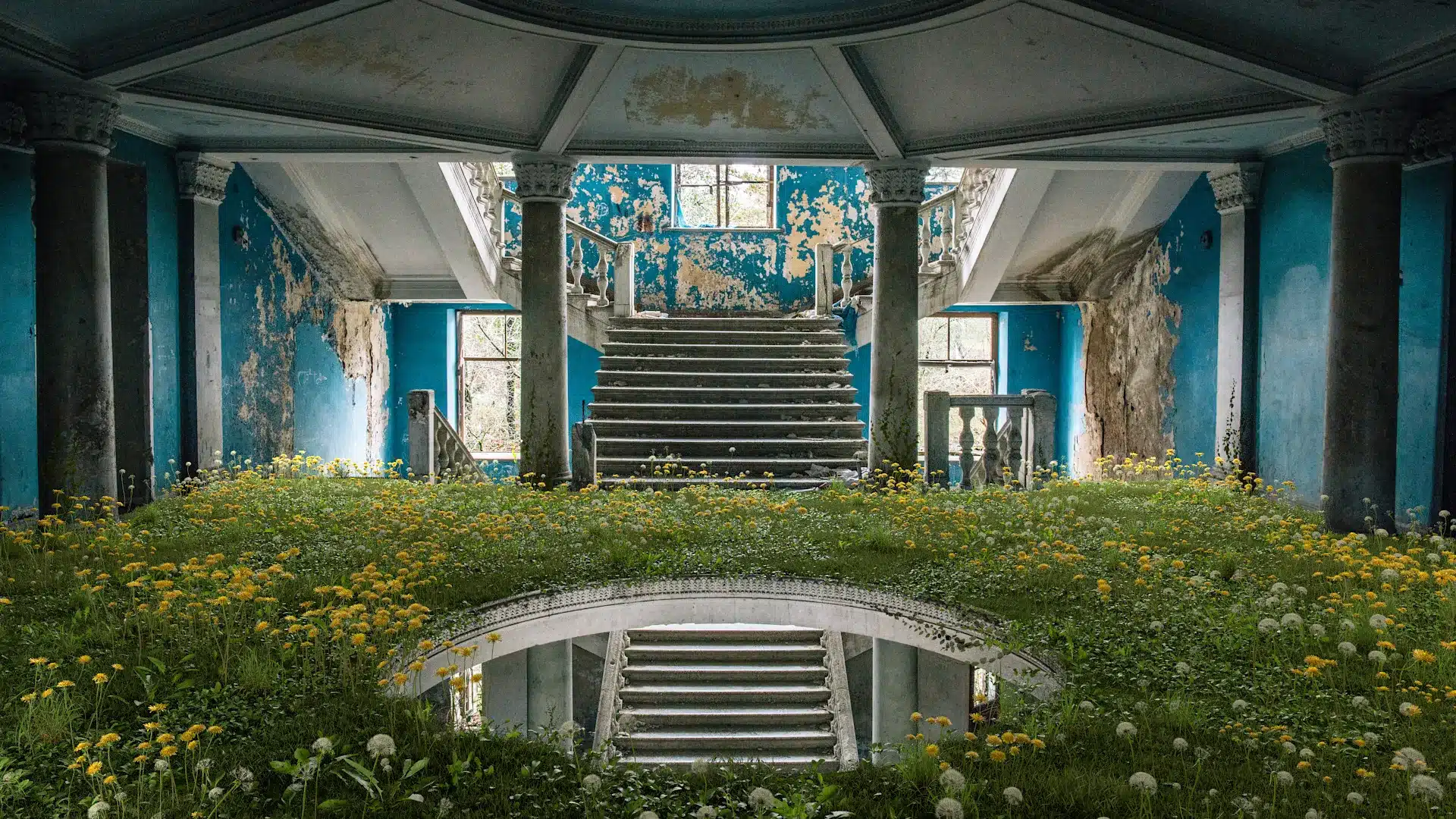
In 2015, a Dutch-Canadian photographer, Ryan Koopmans, who had photographed extensively in Russia became interested in the abandoned buildings in Tskaltubo. He made several visits, photographing raw and exquisite images of life inside the crumbling, abandoned buildings as well as the exteriors in various stages of neglect or decay — many overgrown with ivy and grass.
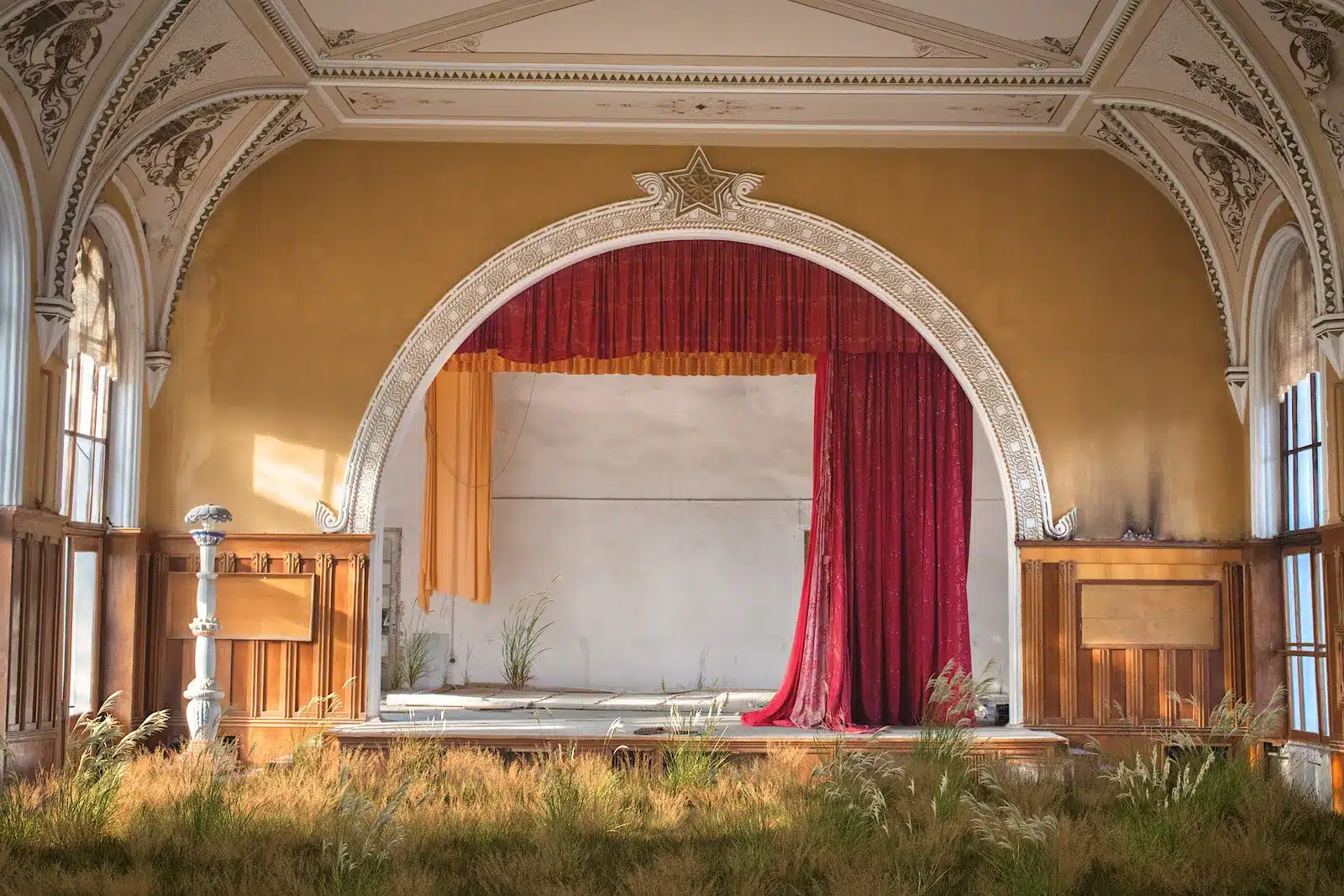
He befriended some of the refugees to gain more details about what had happened in Tskaltubo after the refugees arrived in the early 1990s. As a recognized photographer, he already had a following and credibility. Once his photographs of Tskaltubo were published, word started getting out about this extraordinary, frozen-in-time town in Georgia, and its inhabitants. Other photographers arrived, professional and amateur, and more incredible photographs began to circulate.
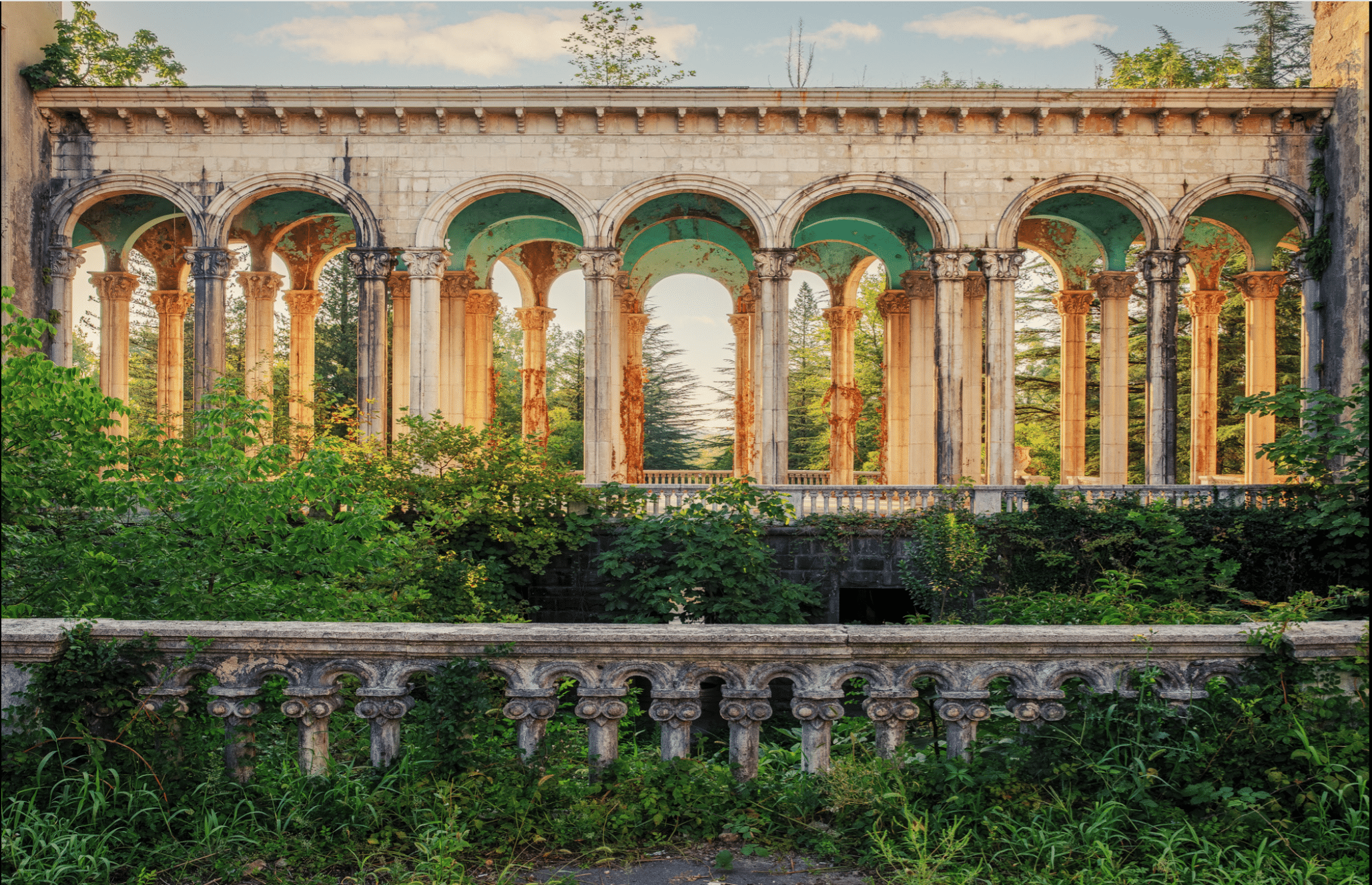
Another part of this whirlpool development was the arrival of the “Urban Explorers”, also known by the portmanteau “Urbexers”. This is a group of curious people who seek out abandoned buildings or ruins and then explore them in great detail.

Urbexers communicate easily with one another and are passionate about what they do. They have websites and post stories of their exploration on YouTube and other social media platforms. The Urbexers arrived with their usual zeal and explored the interiors, leaving no decaying stone unturned, before publishing their findings — and more people came to see the phenomenon of Tskaltubo.

A more recent and important addition to the” whirlpool” is Emily Lush. Emilly is an Australian journalist who has settled in Georgia and lives in Kutaisi, twenty minutes away from Tskaltubo. She is a brilliant writer and a superb photographer and her features have been published in leading international magazines and newspapers.
Emily’s website firmly occupies a place in the “whirlpool” for her contributions to promoting every aspect of Georgia.
THE POTENTIAL OF A REGENERATED TSKALTUBO
In 2019, Bidzina Ivanishvili, a Russian billionaire who controls the Pro-Russian Georgian Dream Party, which is at the heart of the current protests in Georgia, suggested he would buy all the state-owned spas and hotels in Tskaltubo, and re-house the 50 remaining refugee families who were living in the buildings. He said his investment would attract other investors who would “copycat” him!
He offered to purchase the buildings for 35 Lari each, equal to 35 US cents, for buildings that were worth millions in any currency, even Georgian Lari. The Georgians did not like or trust Ivanishvili and believed he would “steal” these properties and make another fortune refurbishing them. Fortunately, this did not happen!

Recognizing Tskaltubo’s potential for tourism, a Government group called “New Life for Tsalkubo”. has been responsible for selling off some of the properties to private investors. Several buildings were sold and are undergoing restoration. It looks like the glory days of Tskaltubo could come roaring back and be more popular than ever and not just for the proletariats! Construction sites have been cordoned off, as work begins, and curious Urban Explorers will have to curb their zeal.
ADAPTIVE RE-USE OF SPACE
My blogging niche is “Adaptive Re-use of Space,” which simply put is the revivification of abandoned buildings, giving them a new lease on life or a new use while preserving their architectural integrity. These restored neighborhoods always generate buzz, and soon enough interesting tenants will follow, galleries, coffee shops, bakeries, beer halls, restaurants, and gourmet shops, increasing the value of the real estate.
I have seen entire neighborhoods come back to life because of Adaptive Re-use use of Space. In the case of Tskaltubo, it will not be a neighborhood, but an entire town that will be regenerated. The re-furbished projects in Tbilisi and other parts of Georgia have given hope to people whose futures were grim. Instead, they are now employed in the burgeoning hospitality industry, from waitstaff to housekeepers to Interior Designers and everyone in between. The same will happen in Tskaltubo, a town that has struggled since 1993 when the Soviet era ended. I hope the displaced persons, and their children and grandchildren living in the abandoned spa buildings catch this upturn and can look forward to a better future.
It will be interesting to see what happens in Tskaltubo in the next few years.
Another fascinating blog. Beautifully written.
Really interesting informative blog about a country under the radar that few people in the US get to explore. Thanks for sharing .
Lisa,
Thanks for reading. It was a revelation! And as you said, we know so little about Georgia.
Phyl.