
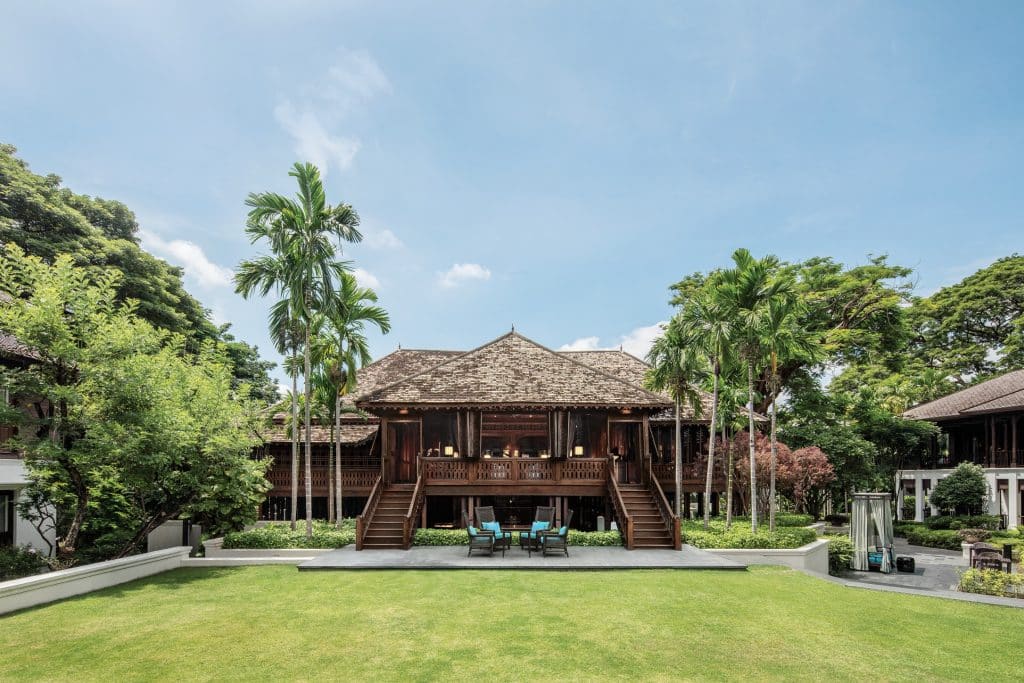
This story begins in Siam (later known as Thailand) and centers around a late 19th-century teak house and how it was restored and became the centerpiece for the 137 Pillars House boutique hotel in Chiang Mai, Thailand. But there are other interesting aspects embedded in its history. These involve:
Anna Leonowens, known from the story of “Anna and the King of Siam,” who tutored the King of Siam’s many wives and children,
The Borneo Trading Company (where Anna’s son Louis Leonowens was a major player) occupied the Old Teak House, where history was made, and
Lastly, the Bain Family, the final owners of the Old Teak House before it was sold to developers who transformed it into 137 Pillars House, a multi-award-winning hotel in Chiang Mai that has since become a growing hospitality brand.
137 Pillars House resonates with an authentic and varied history, a legendary past that is interwoven with Thailand’s history.
INTRODUCTION.
The 137 Pillars House boutique hotel opened in March 2012, inspired by the property’s history and responsive to the needs of today’s hotel guests.
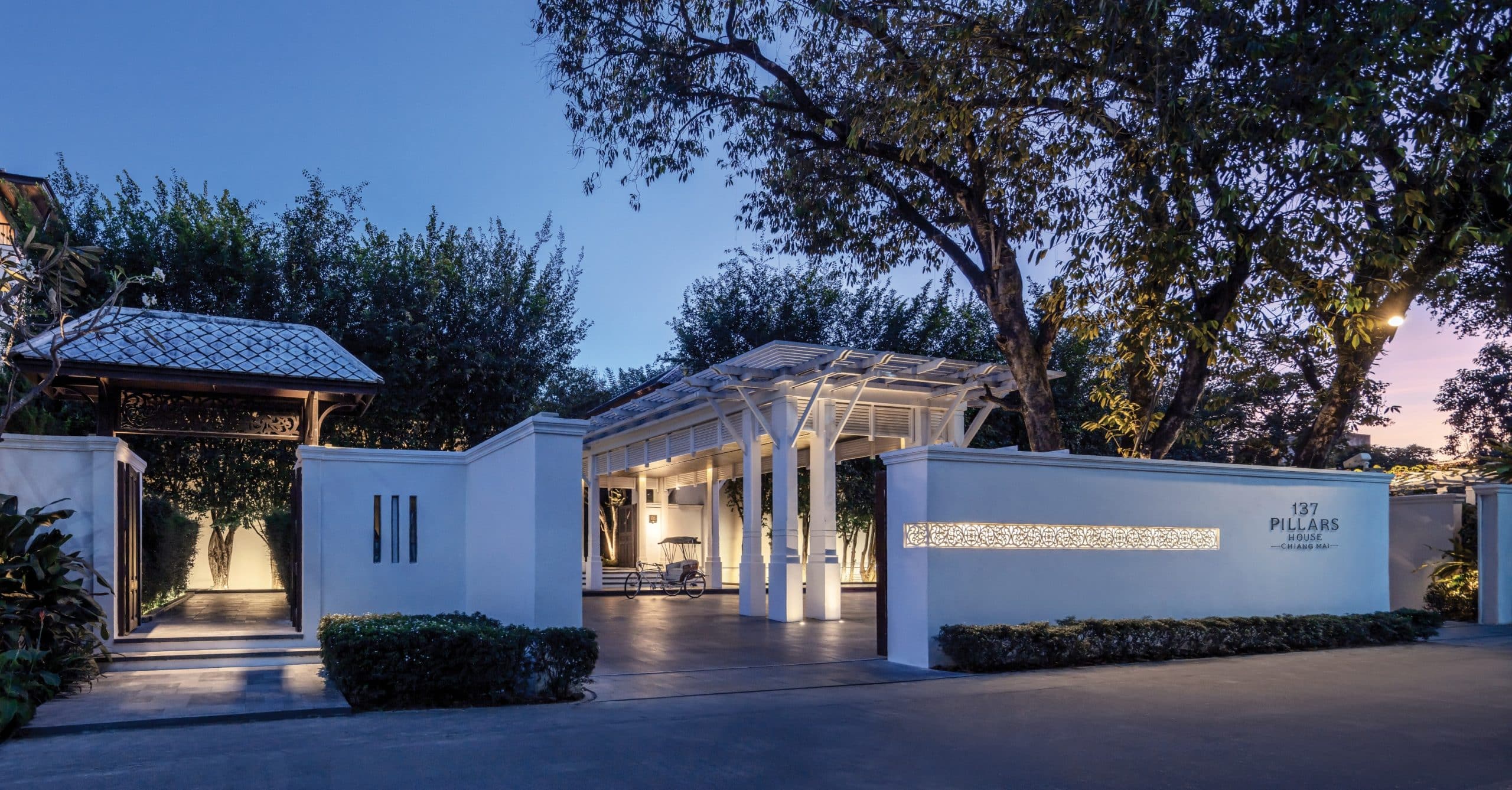
137 Pillars House is situated in a leafy suburb near the meandering Ping River in Chiang Mai, Thailand. Going by, you would never know it is there except for a white wall and a discrete sign with its name.
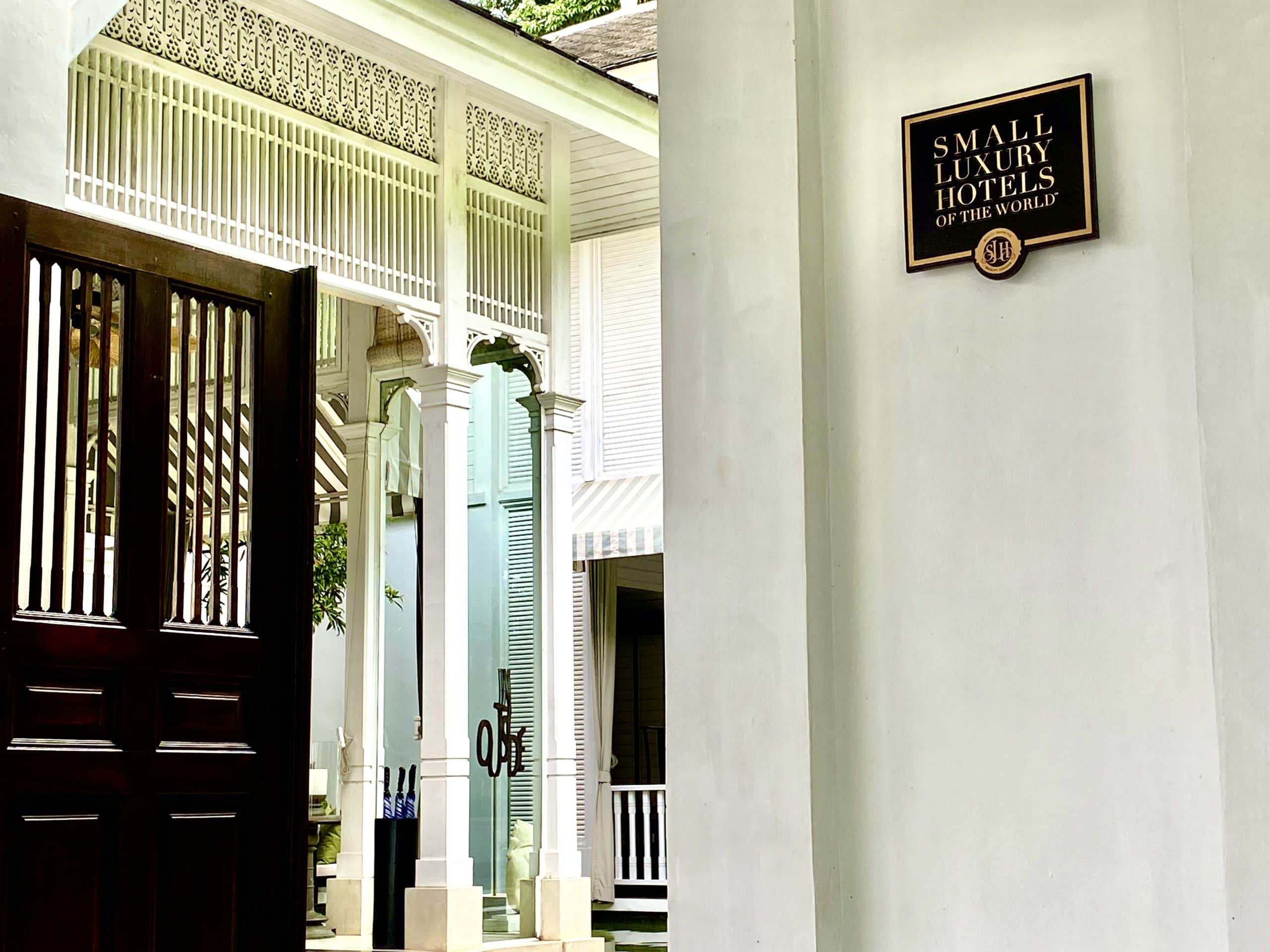
There is no indication of the hidden jewel concealed within, except for a sign that reads: “Small Luxury Hotels of the World.” SLH, as it is known,” is a group of about 520 high-end boutique hotels and resorts in more than 90 countries around the world. They vary in size and amenities, but all are chosen by SLH to participate based on top-notch quality and individuality. SLH sends inspectors to each property once a year to verify that they meet 750 different criteria.”
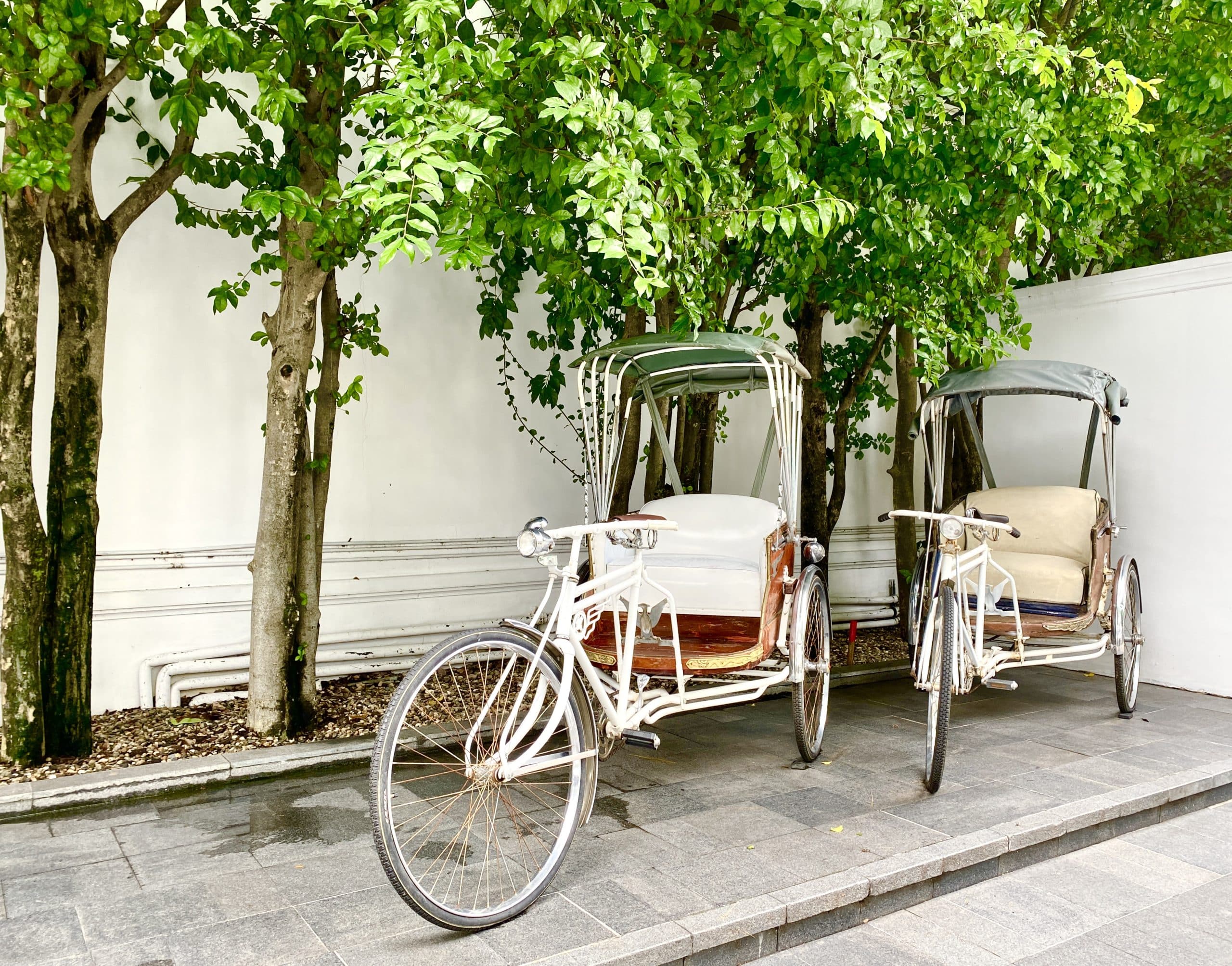
Capturing the era, these two vintage bicycle tuk-tuks are ready and waiting at the front entrance if guests want to use them!
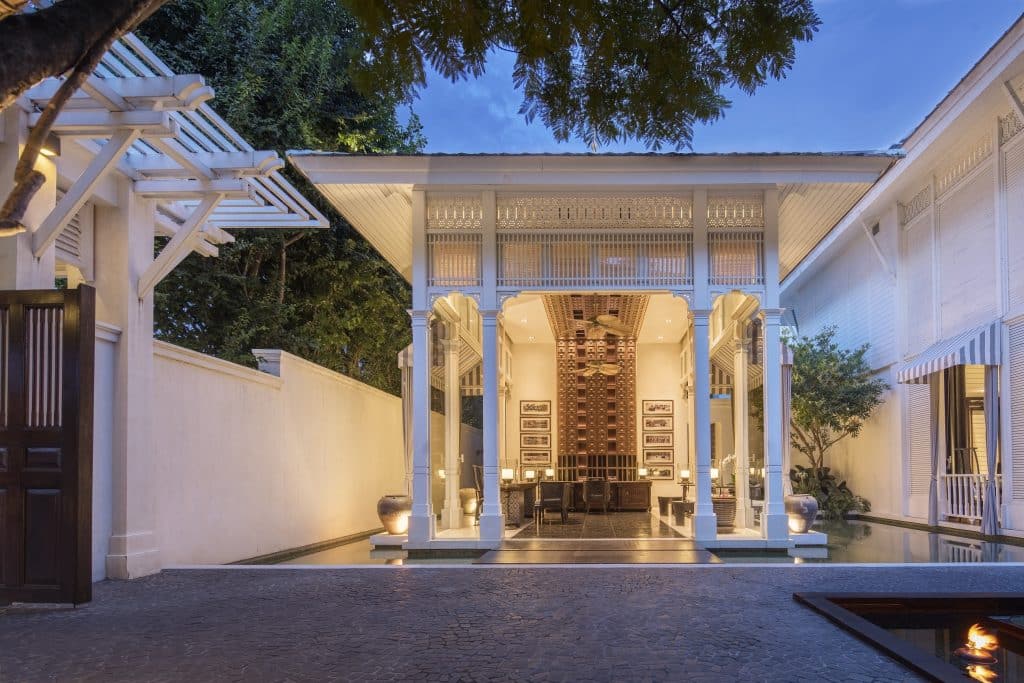
I arrived at the hotel on a July afternoon and was invited into the reception area. Although it is not enclosed or air-conditioned, its open-sided design keeps it cool.
This was my first glimpse of what was behind the white wall. The room, with its comfortable rattan furniture, slatted roll-up blinds, military chest-style drawers with brass handles, and antique prints on the walls, all evoked a sense of the past. I was transported back to the 1880s in Siam (now known as Thailand).

Once I settled onto the comfortable rattan sofa with soft pillows, I was handed a teak tray with a beautifully “knotted” ice-cold towel and a bowl of iced water to refresh myself from the day’s heat.
For those fortunate enough to stay at 137 Pillars House, the location is ideal — it is near the Wat Gate Temple and the excellent shopping and galleries on the bustling Cheronchat Road — that is, if you can tear yourself away from the hotel and its serene surroundings.

From the Reception, one enters the hotel through tall, hand-carved teak doors, with an inviting view of the gardens revealing well-established tropical planting and mature trees.
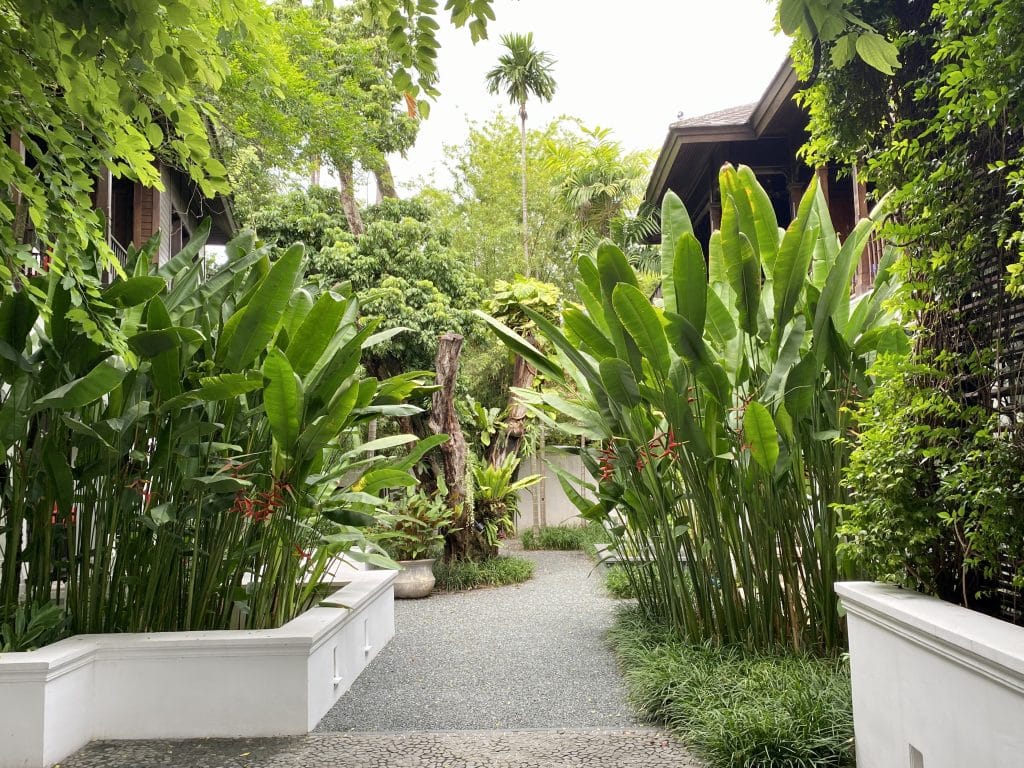
Much of the planting and most of the trees were saved from the original, abandoned old Teak Homestead and nurtured back to life by the landscape team, P Landscape, from Bangkok.

These tall trees are at least as old as the original teak house, which was built in the 1880s. When it was sold to new owners in 2002, the neglected trees were resuscitated and given a new lease on life. Since then, they have flourished, with constant care.
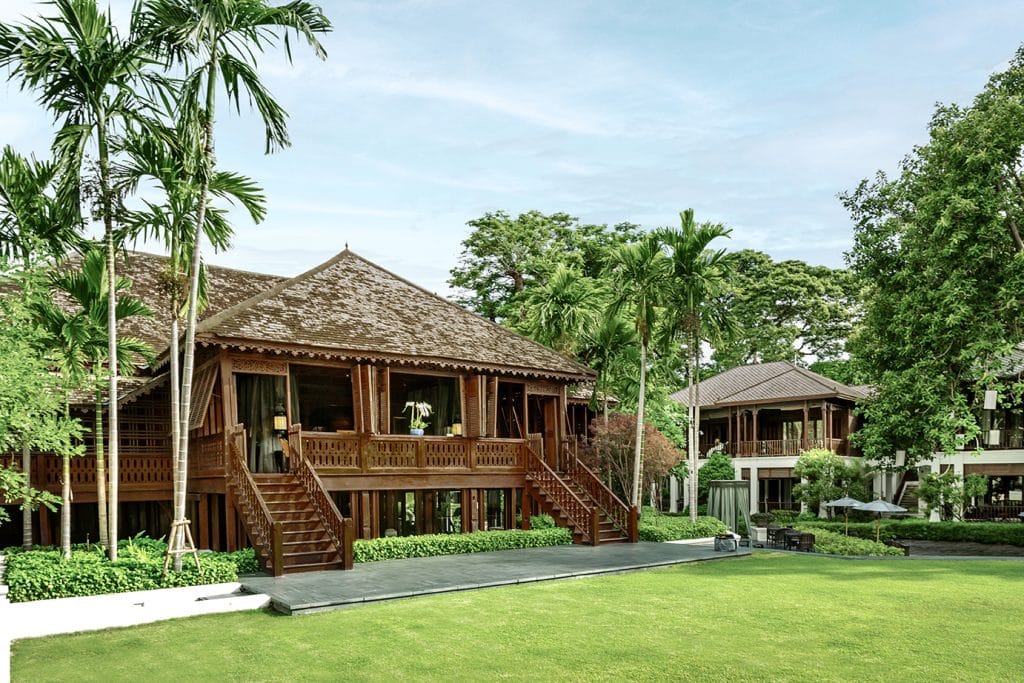
137 PILLARS HOUSE,
also KNOWN as”THE BAAN DAM,” Dark House, because of its mature teak color, and “BAAN BORNEO” because of its last tenant.
The hotel’s focal point is an authentic teak building, now restored, that survived from the 1880s. Surrounding it are the 30 suites built in complementary style to the original old teak house and a spectacular swimming pool!

Anna and the King of Siam.
Anna Leonowens, better known as Anna from “Anna and the King of Siam” and “The King and I,” is part of the 137 Pillars House backstory.
The original book with the story of Anna Leonowens’s stay at the Royal Court of Siam was published by Ann Landon in 1944, and although it is the story of her time in Siam, it does give a glorified view of her life. Following that, in 1946, the book, “Anna and the King of Siam” was turned into a high-grossing movie by the same name. A few years later, Rogers and Hammerstein wrote the Musical called “The King and I,” which opened on Broadway in 1951. Both these productions were based loosely on the story of Anna Leonownes and her time spent at the royal court of Siam as the English-speaking schoolmistress to the children and wives of King Mongkut, King of Siam, in the 1860s.

In 1862, Anna Leonowens was invited by Royal Decree from King Mongkut, Rama lV, of Siam (now called Thailand) to teach his estimated 82 children and 43 wives (these numbers are not accurate and vary in different publications) to learn English customs and to speak and write Victorian English – Queen Victoria was the reigning English monarch at that time. This invitation came about because an MD of the Borneo Company in Singapore had recommended Anna’s services to King Mongkut a few years prior, intertwining both Louis Leonowens and his mother, Anna Leonowens’ employment and histories with The Borneo Company.
Known as the “King of Science and Technology” in Siam, King Mongkut had an extensive interest in Western Science, incorporating Western scientific advancements into Siamese society. He studied mathematics, Latin, and English and was an expert astronomer. He was forward-thinking and wanted to keep Siam independent, and one of his strategies was to have his Court learn Western ways to keep up with what was happening in the Western world.
The King was intent on opening his country to Western influence and modern development and encouraged diplomatic engagement and educational reform. He also wanted his Court to learn to speak and write English and be familiar with English customs. With this in mind, he invited Anna Leonowens to the Royal Court.
Widowed and needing an income to support herself, Anna accepted the invitation and arrived in Bangkok with her son Louis in 1862. Her daughter did not accompany her and was sent to relatives overseas to be educated abroad. Originally living in the Royal Palace, Anna requested more private lodgings, so she and Louis moved to a home that separated them from life inside the Royal Court, allowing private time together at the end of the day.
Anna was Anglo-Indian — half Indian and half British — and she was born in India, contrary to the legend that she was born in England. Although she taught English customs and the English language to the wives and children of King Mongkut, Anna did not visit England until much later in her life, after she had left Siam. Her English “background” was acquired in Colonial India!
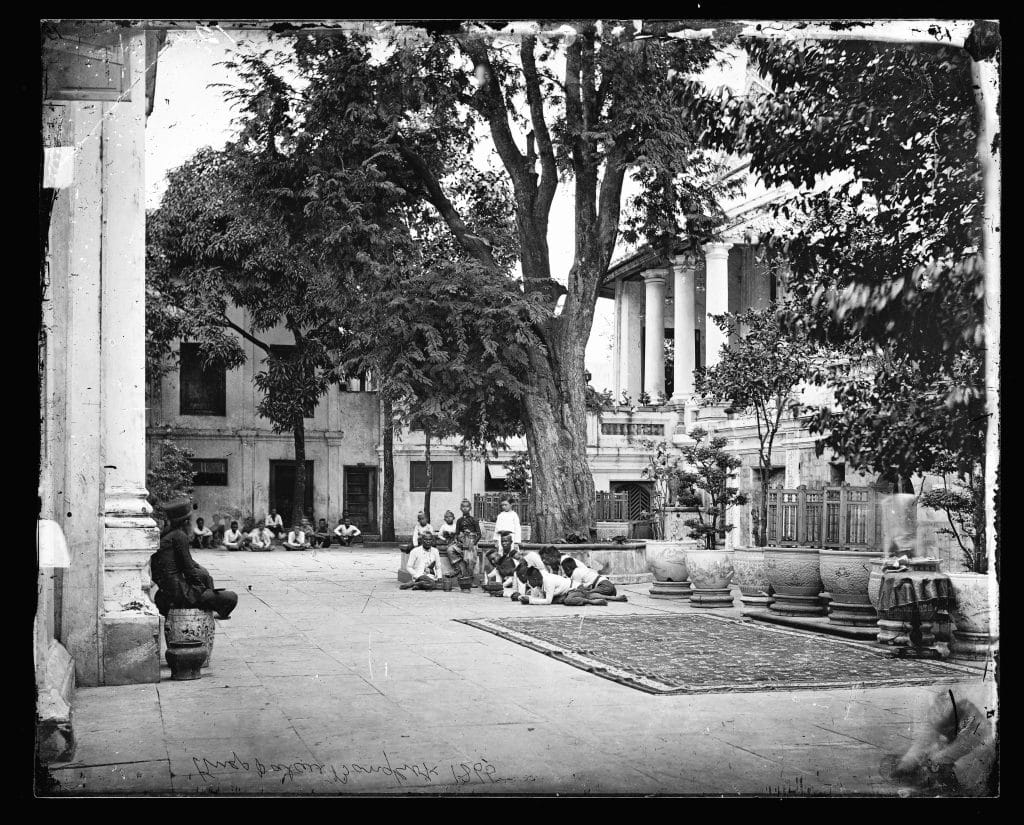
The dates for Anna and Louis’ stay in Siam are not clear, but one reference indicated that Louis Leonowens was at school in Bangkok from ages 7 – 16. During his stay in Siam, while his mother was teaching, Louis was raised alongside the royal children, learning to write and talk Siamese and become familiar with the local culture. He also formed strong friendships with some of the young Siamese princes he played with as a child — friendships that would serve him well when he returned to Siam in 1881 as an adult and was commissioned as a Captain in the Royal Cavalry by King Rama IV, where he distinguished himself. Following that, he was employed by the Borneo Company in Siam, which was involved in the export of Thai Teak to England.
In 1883, King Chulalong, King Monkut’s son and one of Louis Leonowens’s school friends, signed the Treaty of Chiang Mai at 137 Pillars House. This treaty allowed “foreign entities,” including the Borneo Company, to harvest teak trees from the vast forests of Northern Thailand. The terms of this Treaty played right into the hands of the Borneo Company, which was establishing itselfas a major exporter of teak to England.
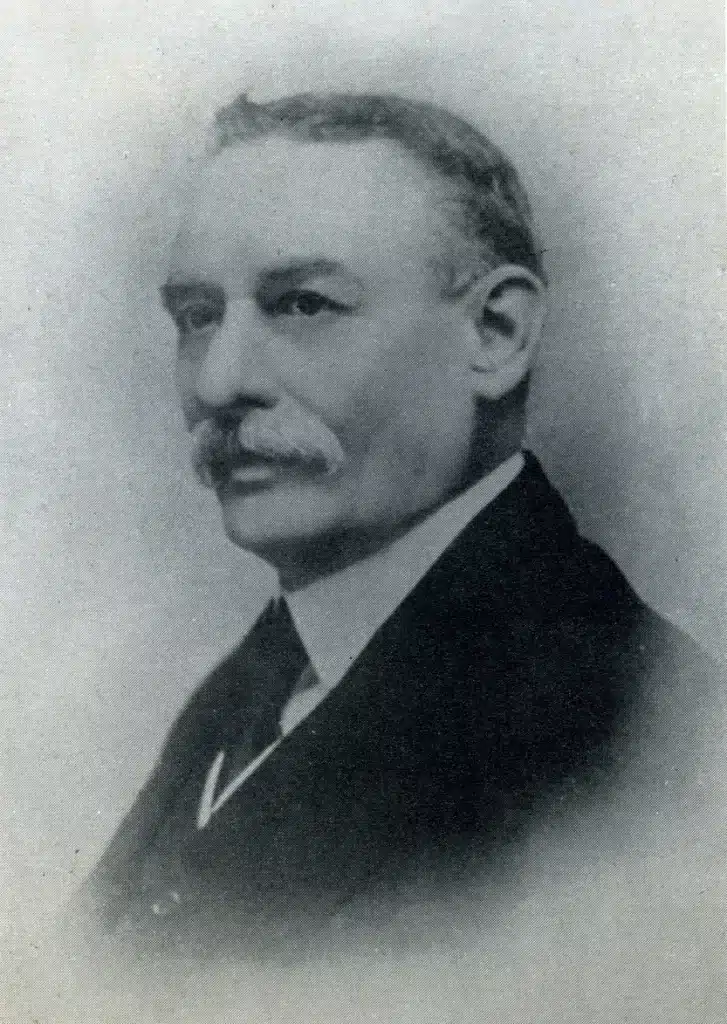
Following his stint in the Cavalry, where he executed himself well and became known for his bravery and leadership, Louis was employed by the Borneo Company in Chiang Mai. The Teak house of this story was completed in the late 1880s and became the Chiang Mai headquarters for the Borneo Company. Louis Leonowens was appointed the first company manager in 1887 and was the first person to occupy the striking new teak house. It remained the Borneo Company house and headquarters, where the manager resided until 1927

The Borneo Company was engaged in cutting teak from the teak forests in Northern Thailand and exporting it to England. Teak is a durable wood that resists insects and was being exported mainly to build ships. It was also used in construction. With ever-increasing demand, this grew into an enormous business, creating employment and using as many as 2,500 elephants to help move the teak logs from the forests of Northern Thailand to the rivers. They were then floated downstream to Bangkok, further dried for another couple of years, and then loaded onto ships that transported them to England. From when the teak was first cut until its final destination in England, could take as long as five years. The connections that Louis Leonowens had formed as a child in the Royal Court while at school, especially with the young prince who became King Chulalongkorn, benefitted Louis, as did his other connections in moving his business forward and making vast financial gains for the Borneo Company.

How 137 Pillars House got its name.
At one time, houses in Thailand were known by their owner’s last name. The old teak house belonged to Jack Bain, who also worked for the Borneo Company. The house had never been incorporated into the numbering system, When it became necessary to do this, Jack Bain had another idea and decided not to call it by his name. Instead, he chose to use an old Lanna tradition (Lanna is an architectural style of Northern Thailand) to refer to it by the number of pillars that supported the house. The number of pillars was believed to indicate the homeowners’ wealth. The house was large and rested on 137 Pillars, and thus, its nomenclature became 137 Pillars House, a name that would endure when the old teak house was transformed into the 137 Pillars House boutique hotel.
A new beginning for the Old Teak House.
In 2002, Mrs. Panida Wongphanlert, a leading architect from Bangkok, was looking for a second home for her family in Chiang Mai to be used as a family retreat from Bangkok, which was their main residence. She was disappointed at not finding anything to suit the family’s needs. On one of her real estate outings, she spied a dilapidated teak homestead through the overgrown tropical vegetation and grass that surrounded it. This was the old headquarters of the Borneo Company that had fallen into disrepair. There was something special about this house that resonated with Mrs. Wongthanlert.
When she and her siblings Khun Bancha and Khun Niphan found out about the rich history surrounding the old Baan Dam and its connection to the historic Borneo Company, their plans changed, and they were inspired to turn the historic building into a small luxury hotel and share its relevance with a much larger audience. I wonder if they had any idea what lay ahead in revivifying the old Baan Dam into the 137 Pillars House!
The Baan Dam, as it was known, had been sold to William Bain, a Scotsman who had moved to Siam as a young man to live the good life rather than face his responsibilities at home in the 1860s. While living in Chiang Mai, he joined the Borneo Company to work in the exportation of teak to England. William had married a local girl and they had four children, one of whom was Jack Bain. Inquiries about the ownership of 137 Pillars House led to the Bain family, with whom the three siblings negotiated and eventually bought the property and its surrounding land in 2002 from Jack Bain and his older sister. Jack Bain’s name has since been “immortalized” by naming the bar after him in the now-restored old teak house — Jack Bain’s Bar.
Once the house was purchased, it needed to be restored. Soon after, plans were made to convert it into a hotel.
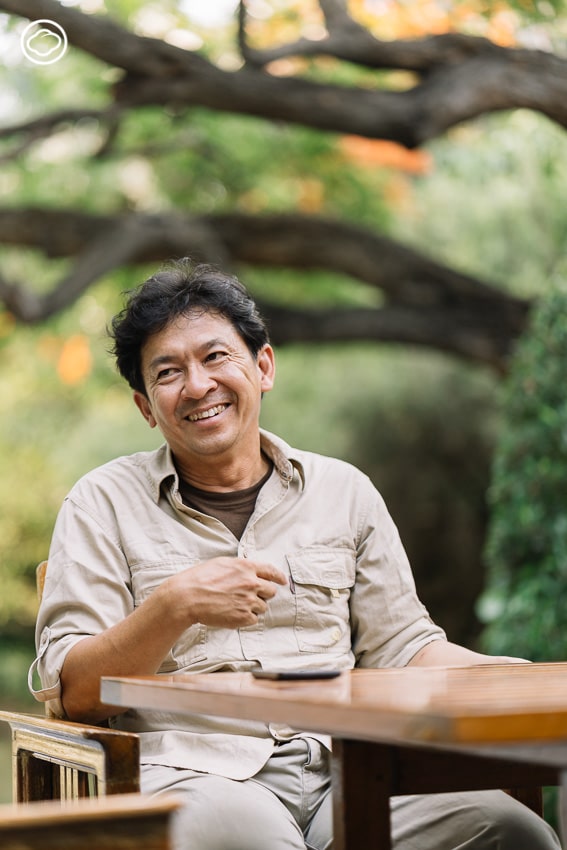
PROFESSOR CHULPORN NANTAPANICH.
Professor Chulporn Nantapanich, a leading architect, university lecturer, and expert in restoring heritage buildings, was appointed to restore the 137 Pillars House. Following Mrs. Wongthalert’s instructions, he conducted extensive research into the building’s original history, the local community, and Lanna and Colonial design before beginning the four-year restoration.
Teak is one of the most durable woods, but the house had been abandoned and without attention for several years and had suffered extensive damage. Considering the Baan Dam to have been a former “beauty,” it was a pitiful sight, with sagging walls and a roof that needed replacing. The wood paneling inside the 137 Pillars House was extremely detailed, and it was important to save as much of the “jigsaw” of wooden sections as possible. When work began, the house was carefully dismantled and individual components were restored, damaged sections were replaced, and then put together again.
It was hoped to save as much original architectural material as possible, and it is estimated that 80% of the original house was restored and reused. Professor Julaporn’s depth of knowledge of Thai architecture and restoration was invaluable in guiding the project — but it was the new owners’ vision to restore the Baan Dam, or Baan Borneo, as it was sometimes called, to its former beauty and share it and its history with a larger audience.
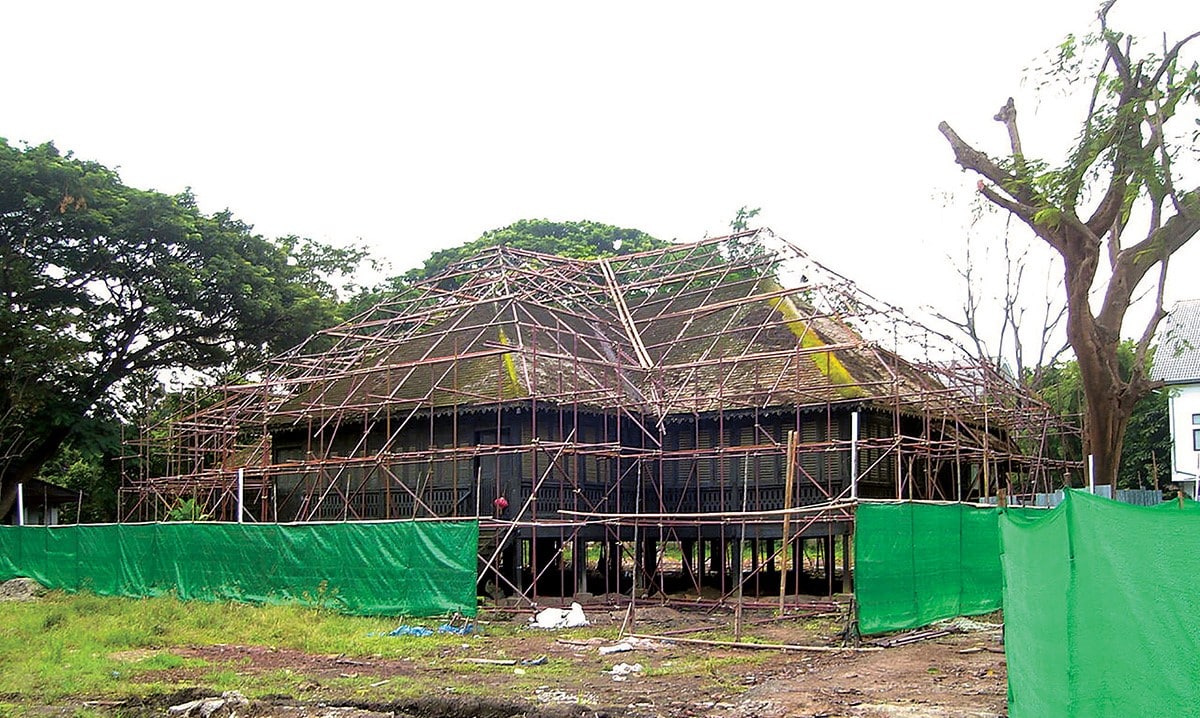
One never knows, beginning these restorations, what hidden problems will be revealed as the work progresses.
And there was a big surprise: a large tree root had grown into the foundation and needed to be removed, which was tricky because it was threatening the integrity of the building. It was also decided to raise the house from 6 feet to 15 1/2 feet above the ground. This required an adjustment to each of the 137 Pillars, which were reinforced with metal, and the construction team had to install temporary support to save the building from collapse. By raising the structure, they mitigated the possible effects of flooding. Another benefit of raising the house was that in the extra space, it created underneath the bar, the architect was able to design a museum, adding a room where they show artifacts relating to 137 Pillars House and photos of the people who played a part in its story. In this way, the legacy of the hotel’s history is brought to life with photographs and relics from its original iteration.
The entire roof had rotted from exposure to the elements and required replacing. In addition to a new roof, special engineering was needed to support the two 4-tonne air conditioners to keep the rooms cool.
The old teak homestead never became a second home for Mrs. Wongphanlert’s family. Instead, it became a boutique hotel incorporating the restored Old Teak House as the centerpiece, surrounded by 30 modern suites with traditional interiors. Habita Architects designed the suites, skillfully maintaining the correct historic ambiance.
Its official address, 137 Pillars House, became the name of the proposed new boutique hotel.
When 137 Pillars House opened, it received extremely favorable press coverage and became an instant success, topping lists of the best hotels and attracting travelers from around the world.
137 Pillars House.
By the time the hotel was completed, the restored Baan Dam teak building had become the central part of the project that included two restaurants, the Palette, and the Dining room, the Jack Bain’s Bar, the Parlour, a library, and a gym.
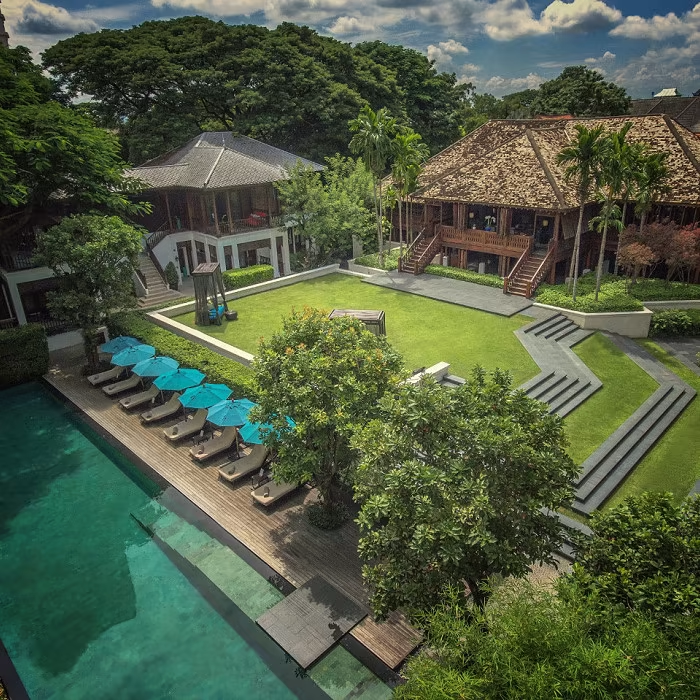
PHOTOS of the RESTORED HOTEL.
This is how 137 Pillars House looks today. The photograph below shows the restored Jack Bain’s Bar, and the intricacy of the wood paneling that was saved from the abandoned old teak house — hard to believe this was the original dilapidated old Baan Dam shown in earlier photographs.

JACK BAIN’S BAR and THE RESTAURANT.
Looking at this incredible revivification in saving the 137 Pillars House is reason enough to restore these heritage buildings. While I am not a bar aficionado and know more about restaurants than bars, I do recognize this is a unique bar experience. Named after Jack Bain, who himself was a “bon vivant” and loved the good life, the bar is a welcoming space where you can relax in comfortable chairs, sit at the bar and converse with the knowledgeable mixologist, or chat with guests from every corner of the world who have found their way to 137 Pillars House.
Jack Bain’s name is immortalized in the name of the bar and the drinks menu, designed like his personal diary. In these wonderful spaces in the restored Baan Dam, the original home of the East Borneo TradingComapny, one can sample the finest aged whisky, the “smoothest” brandy, or experience unique signature cocktails.
“Aged Teak” is one of the scene-stealing signature cocktails. It is made with Monkey Shoulder Scotch Whiskey, blended Single Malt Whiskey, Martini Rosso Red Vemouth, and fresh grapefruit juice. The drink is presented under an elegant glass dome filled with freshly charred cinnamon sticks, which create a whispy, fragrant smoke. Even if you can’t order the drink, do not miss the video! This is an exceptional creation by the mixologist.
No smoking inside, but you can enjoy a cigar with your port in the surrounding gardens.
The Jack Bain’s Bar is a supreme bar experience that has no equal!

This picture shows the dining room set up for a party. Normally, it is divided into smaller tables, creating intimate spaces. This is where breakfast, lunch, and dinner are enjoyed. It serves classic Thai food to be shared and international dishes, using local fresh ingredients.
-

Photos by 137 Pillars House -
Photos by 137 Pillars House -

Photos by 137 Pillars House -
Photos by 137 Pillars House -
Photos by 137 Pillars House -
Photos by 137 Pillars House -

Photos by 137 Pillars House -
Photos by 137 Pillars House -

Photos by 137 Pillars House
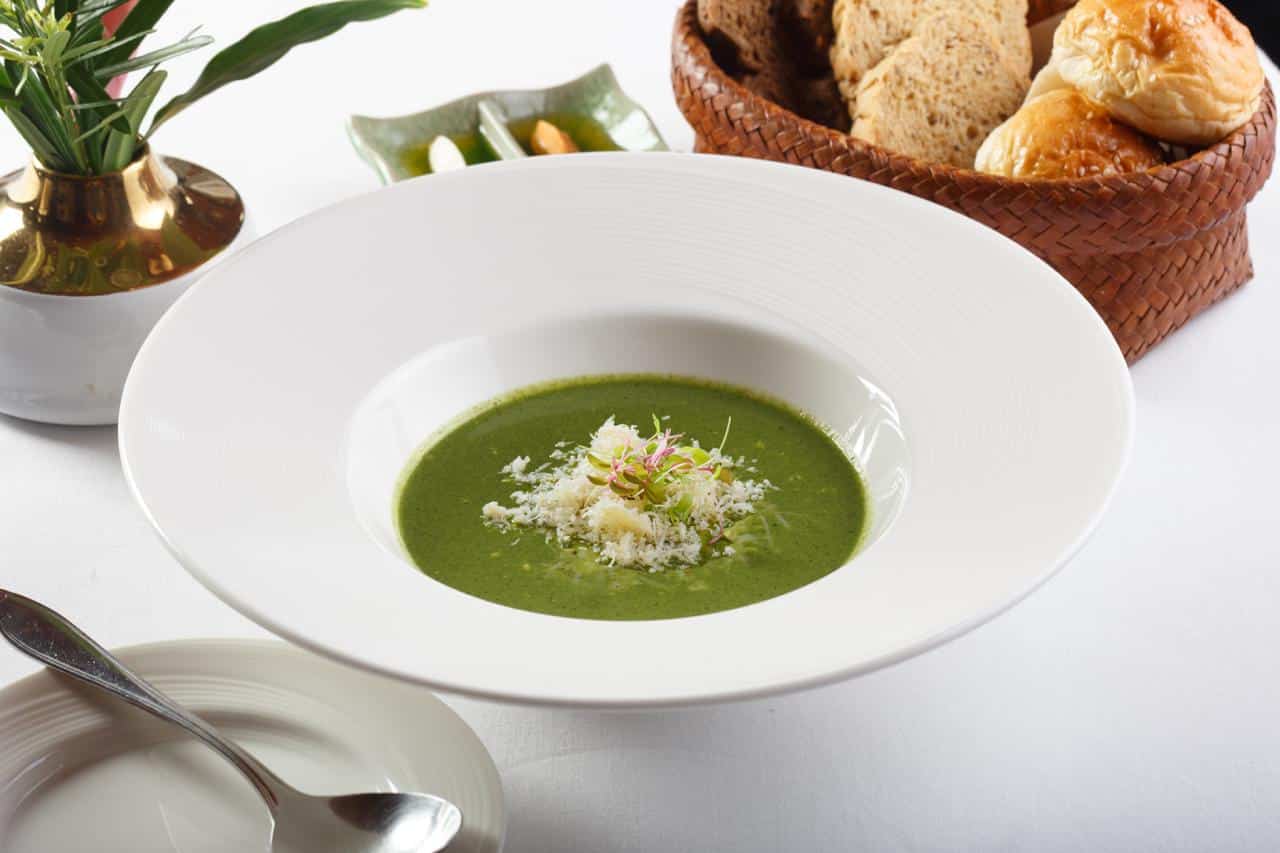
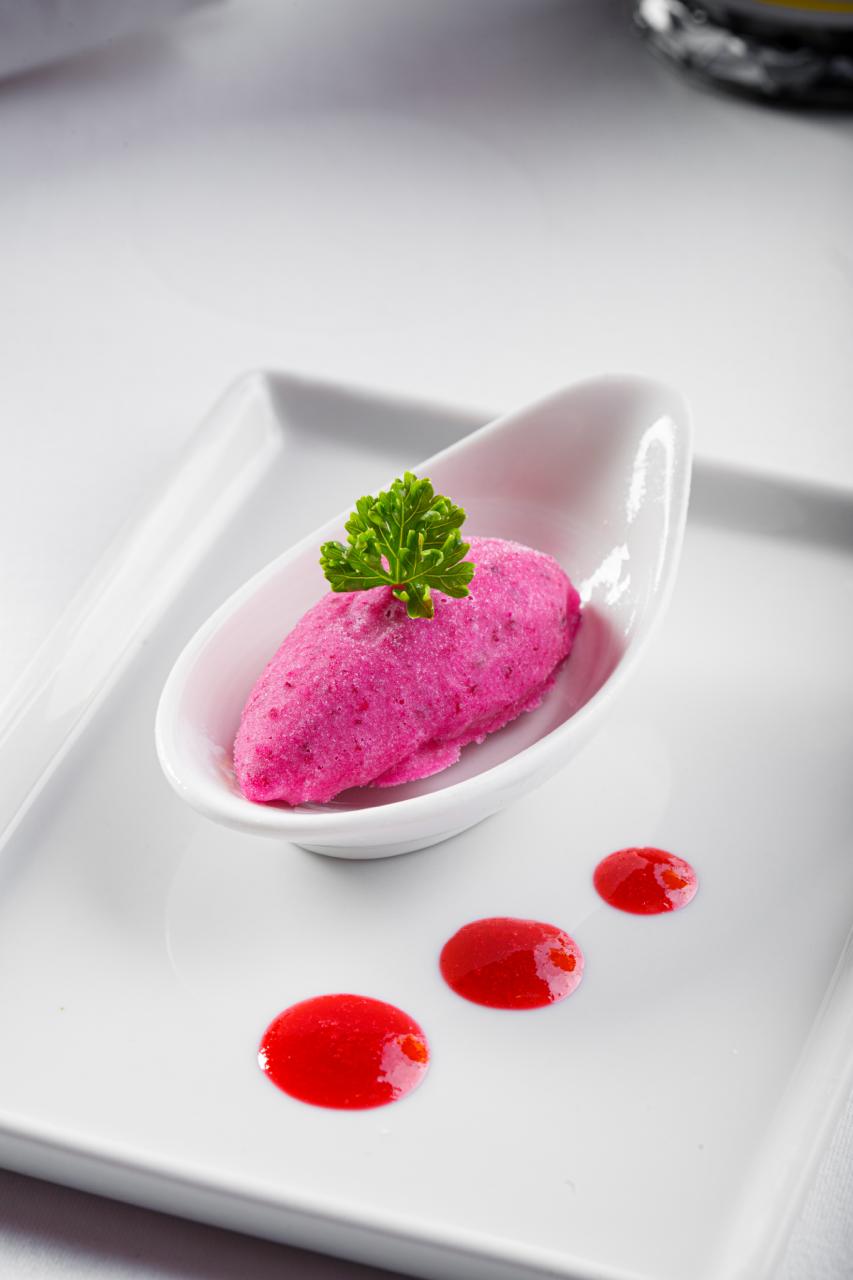
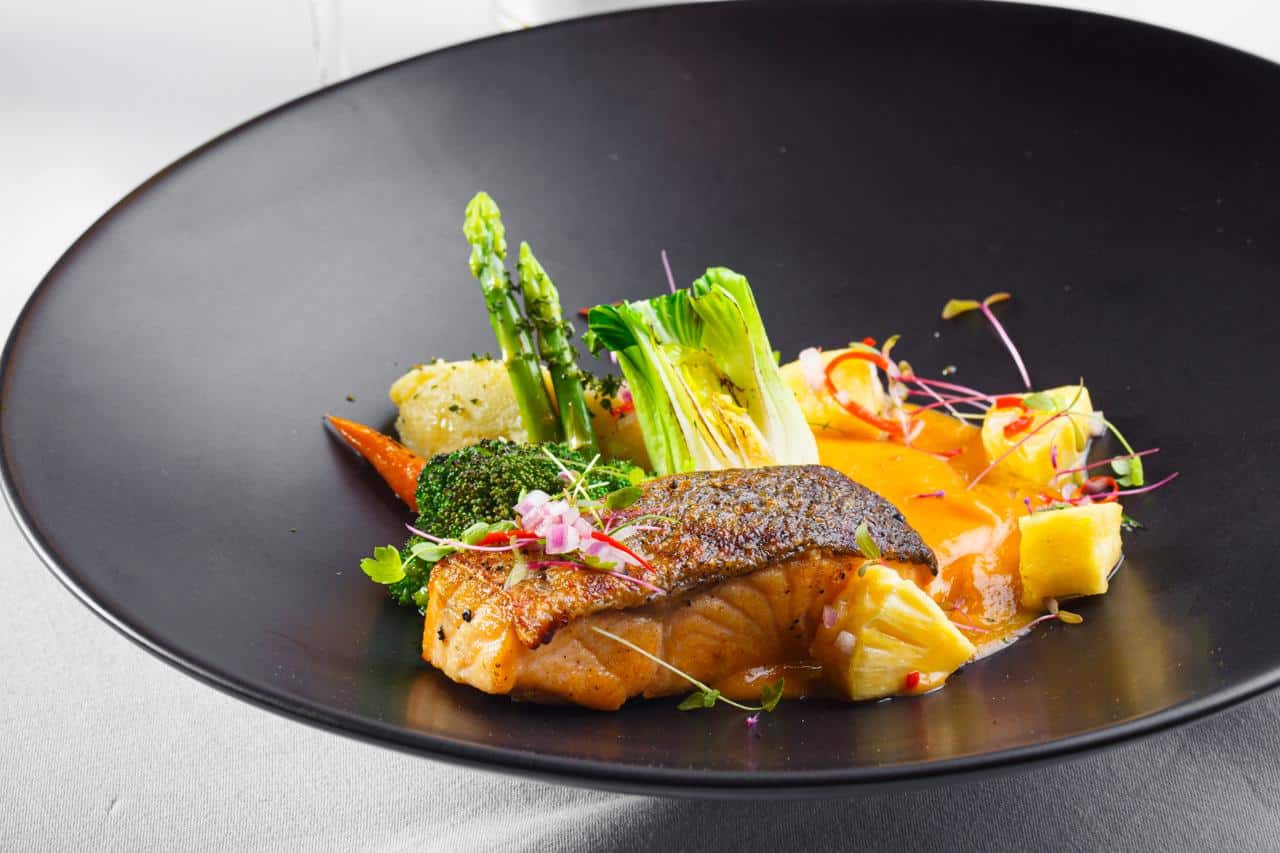
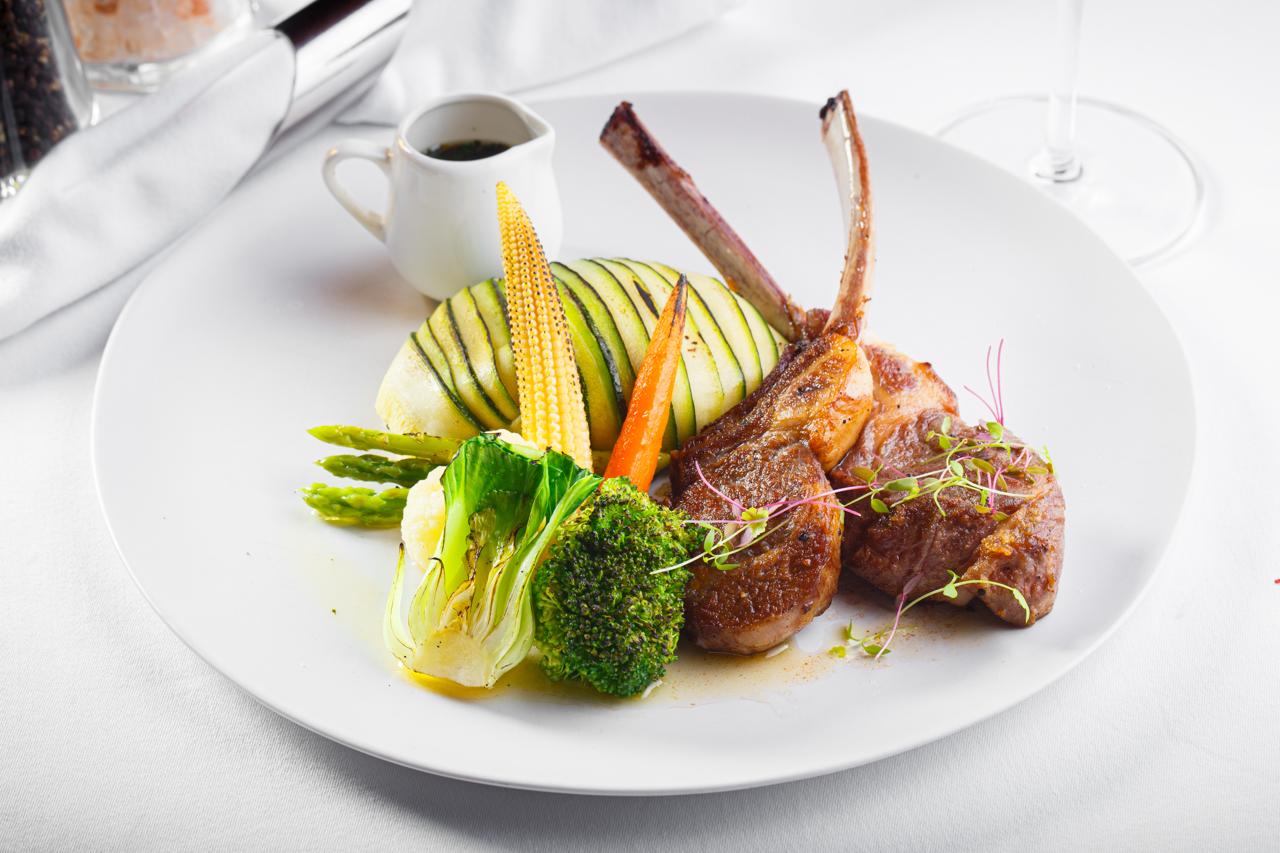
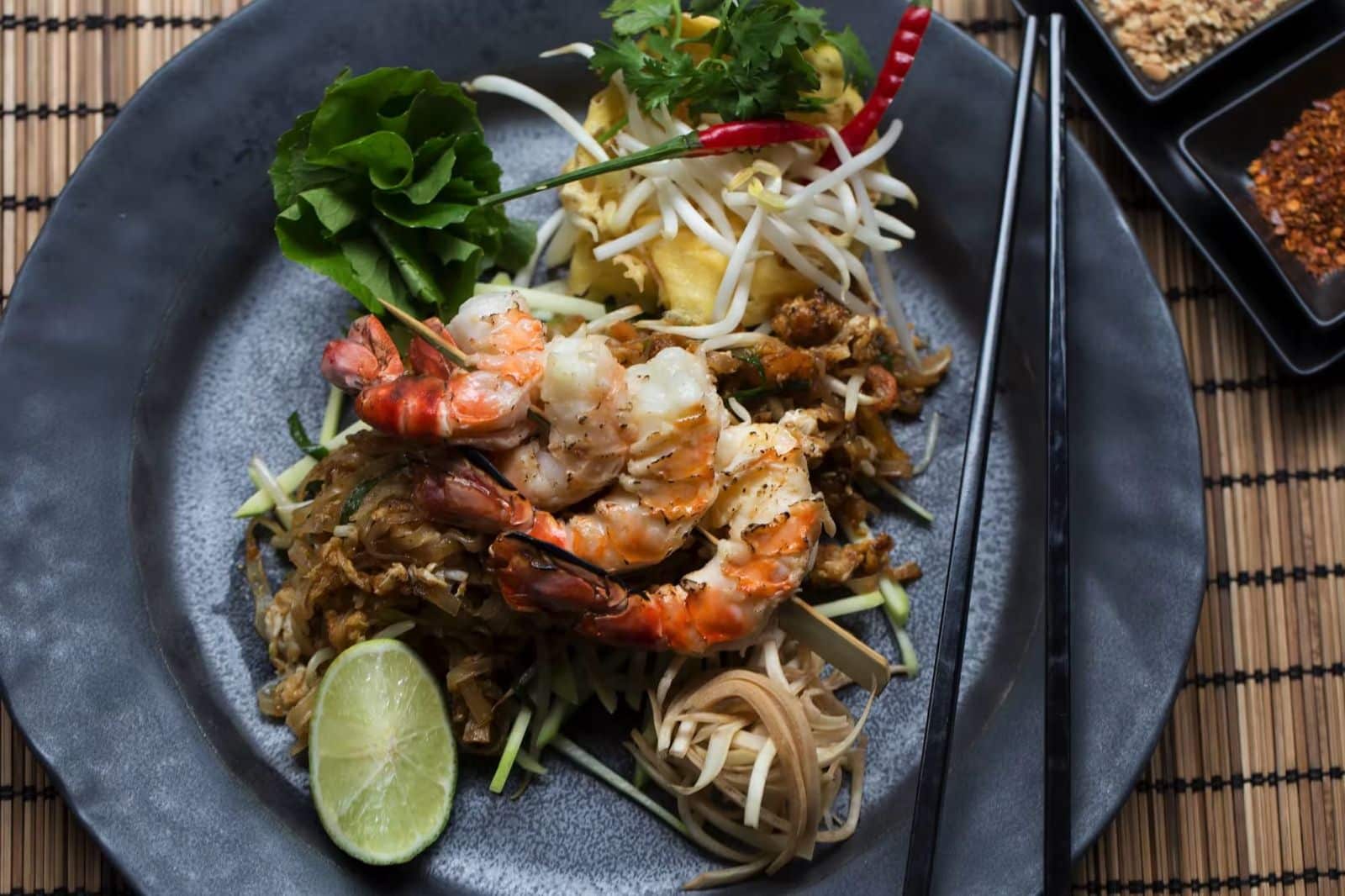
These beautifully plated dishes are photographs taken from the Tasting menu and the restaurant menu.
BUTLER SERVICE.
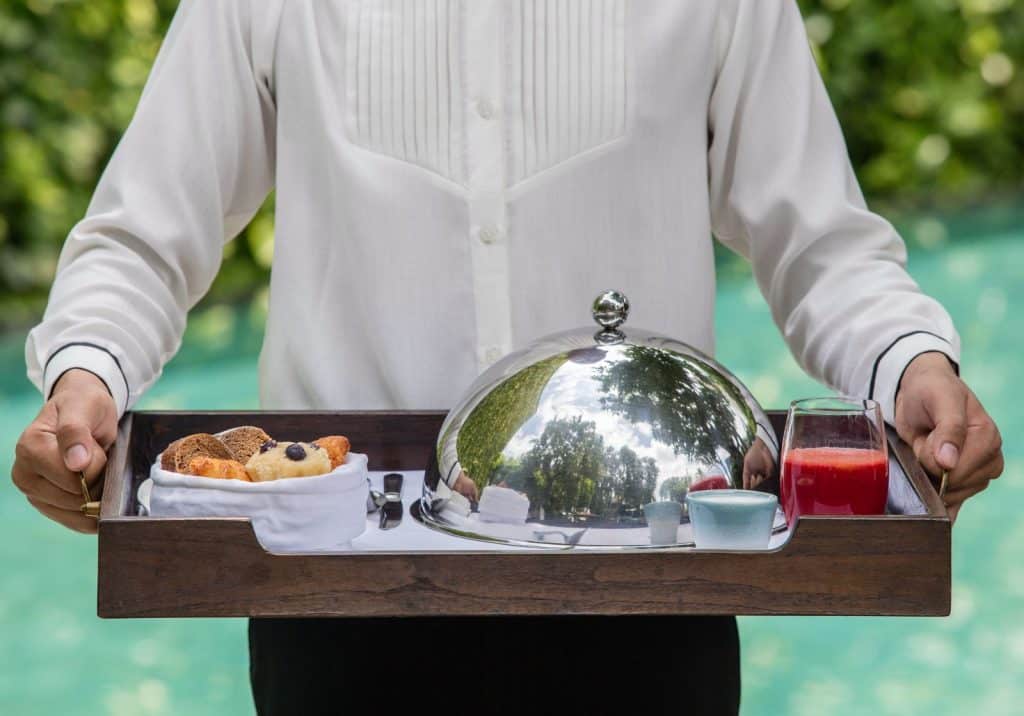
Each unit has a male or female butler—your own personal butler! After arriving, once the luggage is delivered to one’s suite, the butler will unpack the suitcases and put everything away! He is at your service, whether arranging tours, guiding you to the best shops, or arranging a cooking class at the hotel.
THE SUITES.
-
Photos by 137 Pillars House -

Photos by 137 Pillars House -
Photos by 137 Pillars House -
Photos by 137 Pillars House -
Photos by 137 Pillars House -
Photos by 137 Pillars House -

Photos by 137 Pillars House -
Photos by 137 Pillars House -
Photos by 137 Pillars House
THE GUEST SUITES.
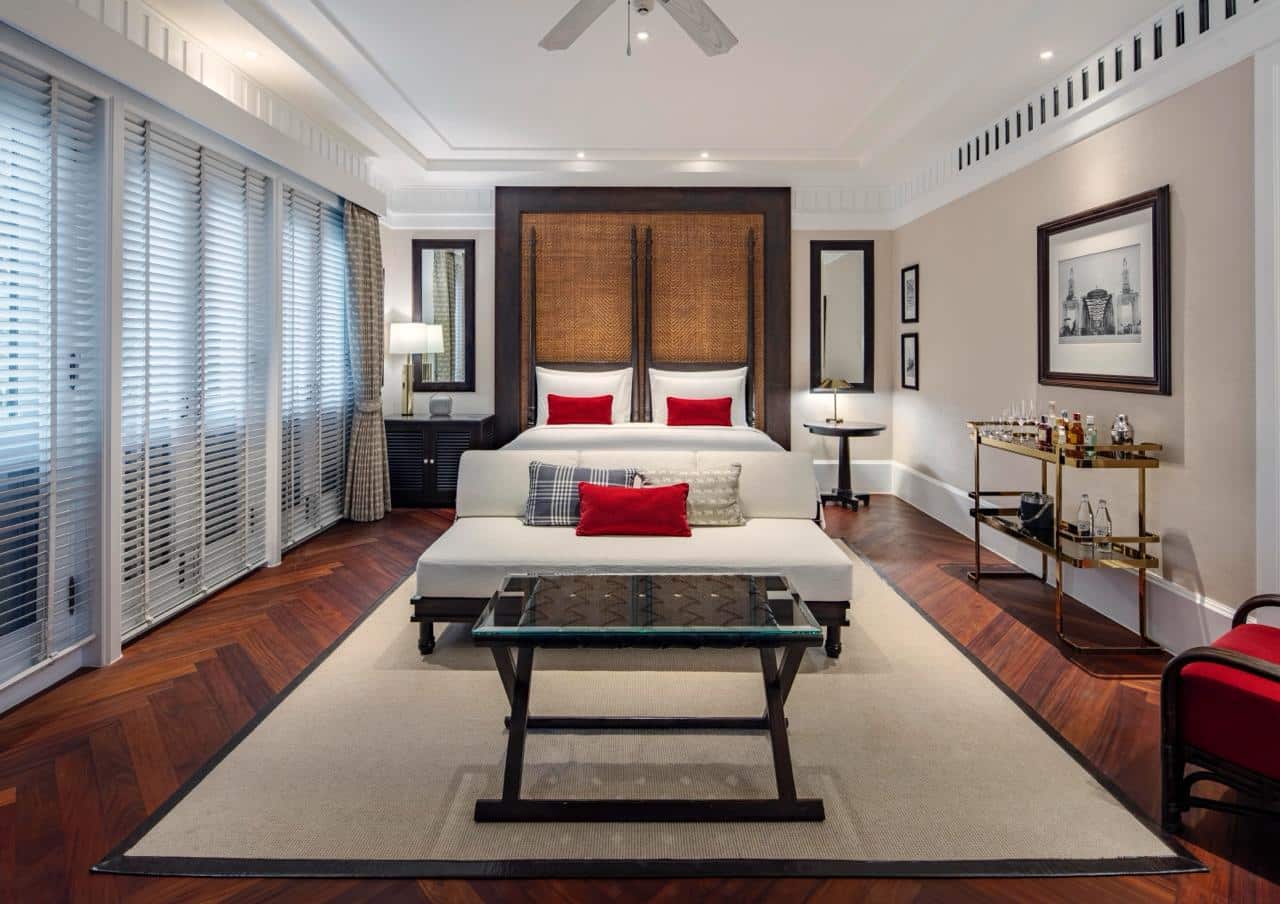
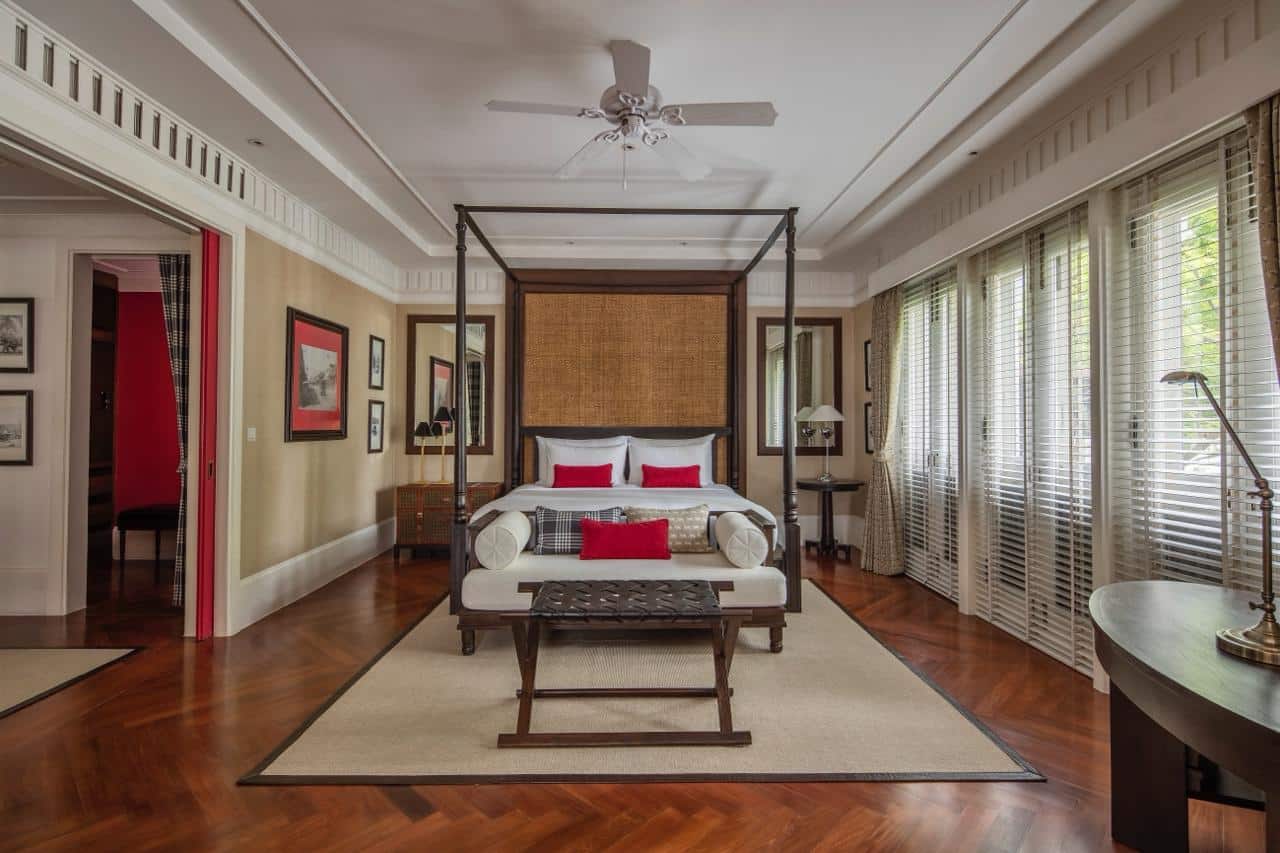
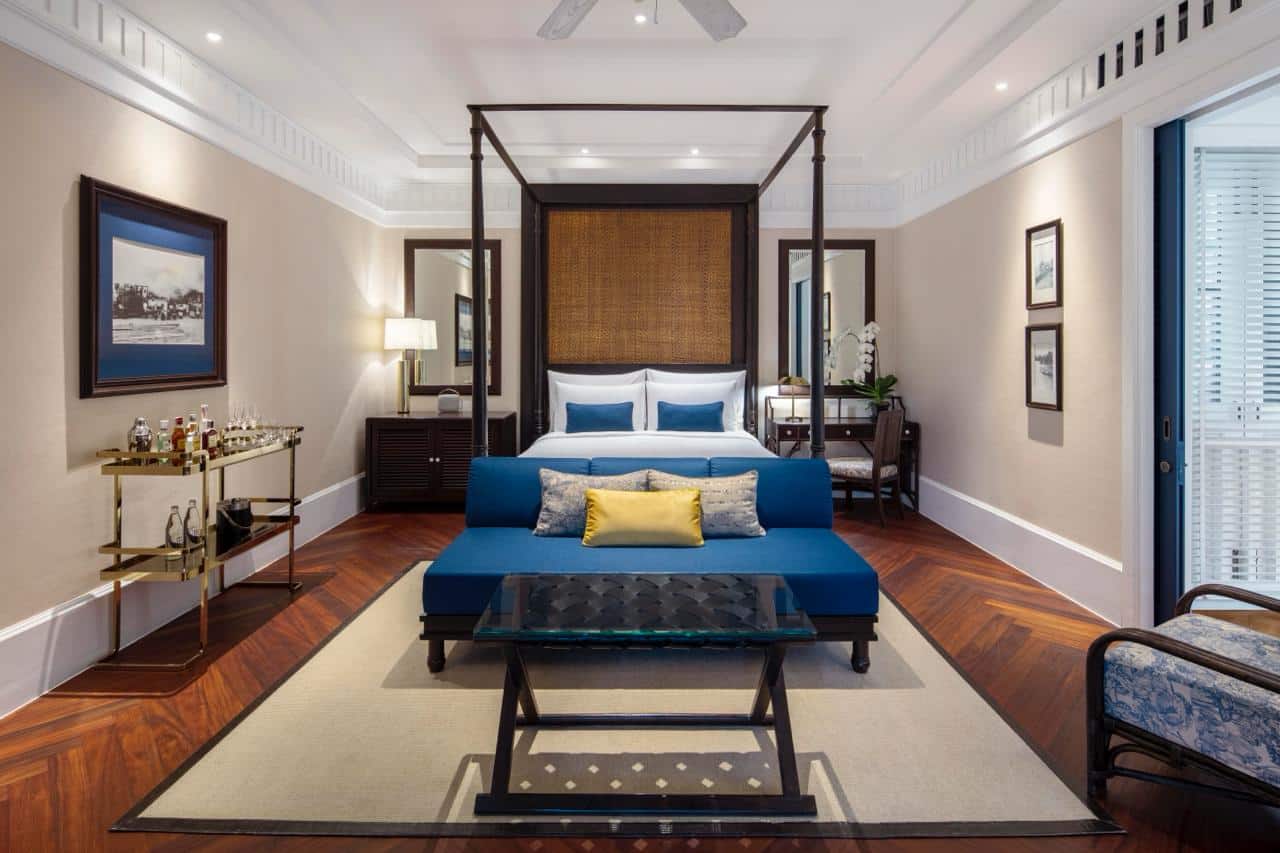
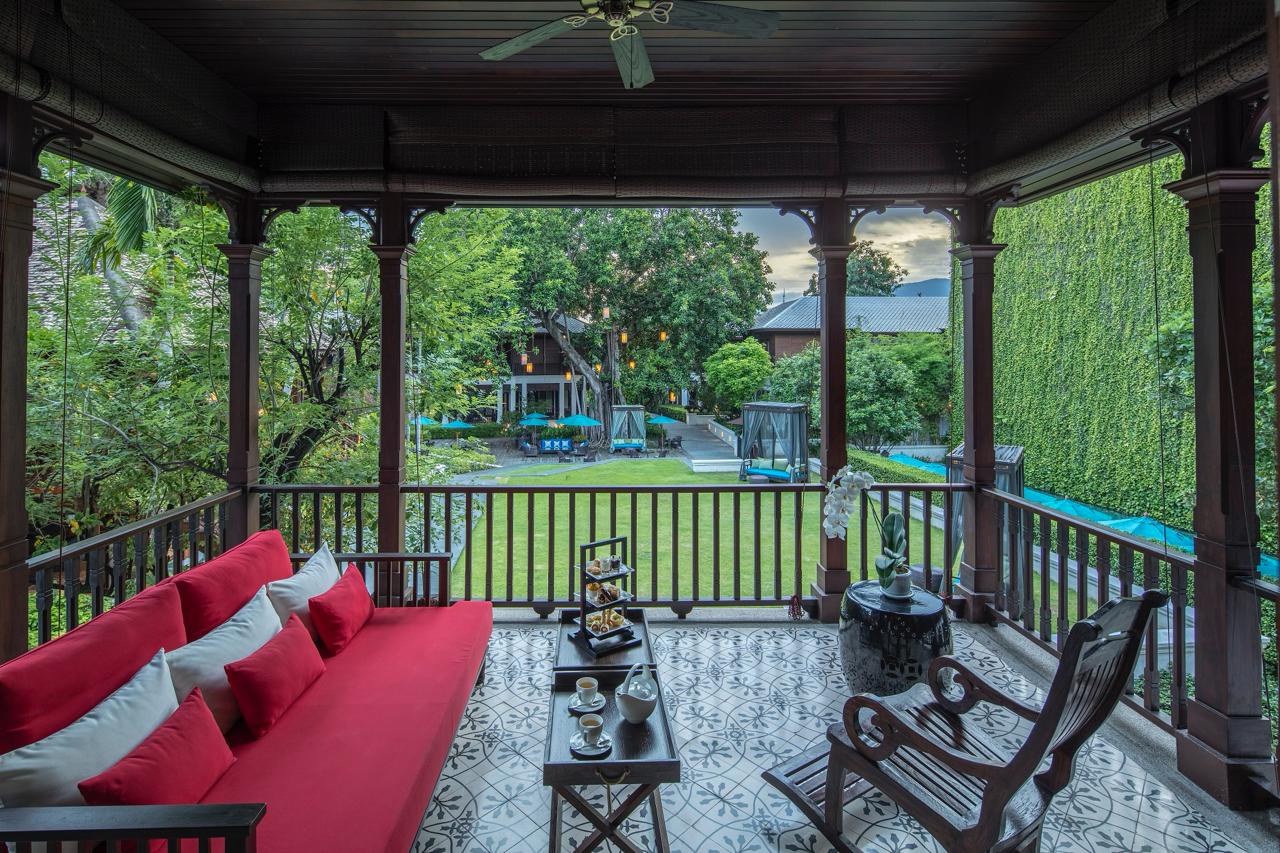
The 30 Guest Suites surround the main restored building that was the original Old Teak House. They are built in modern Thai style, with old-fashioned touches to blend with the example set by the restored main building.
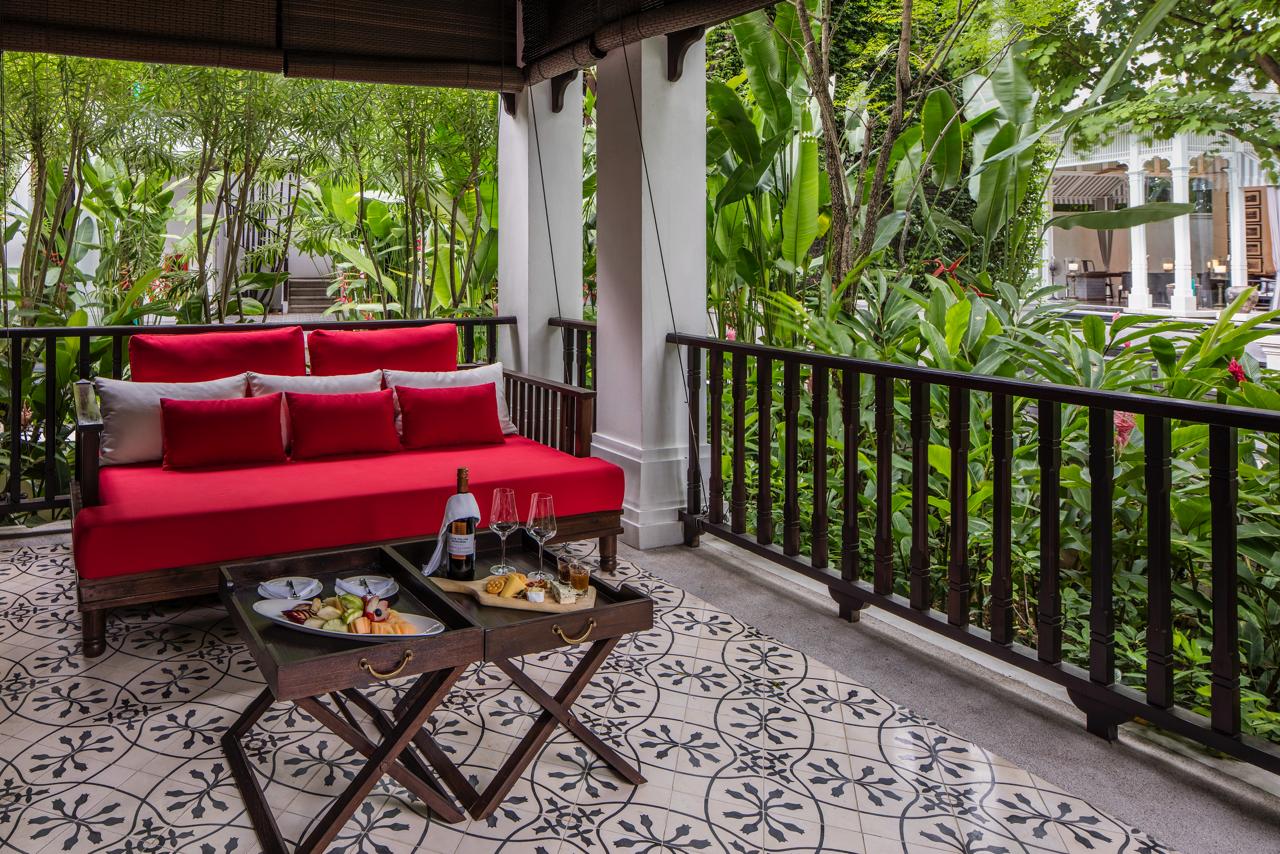
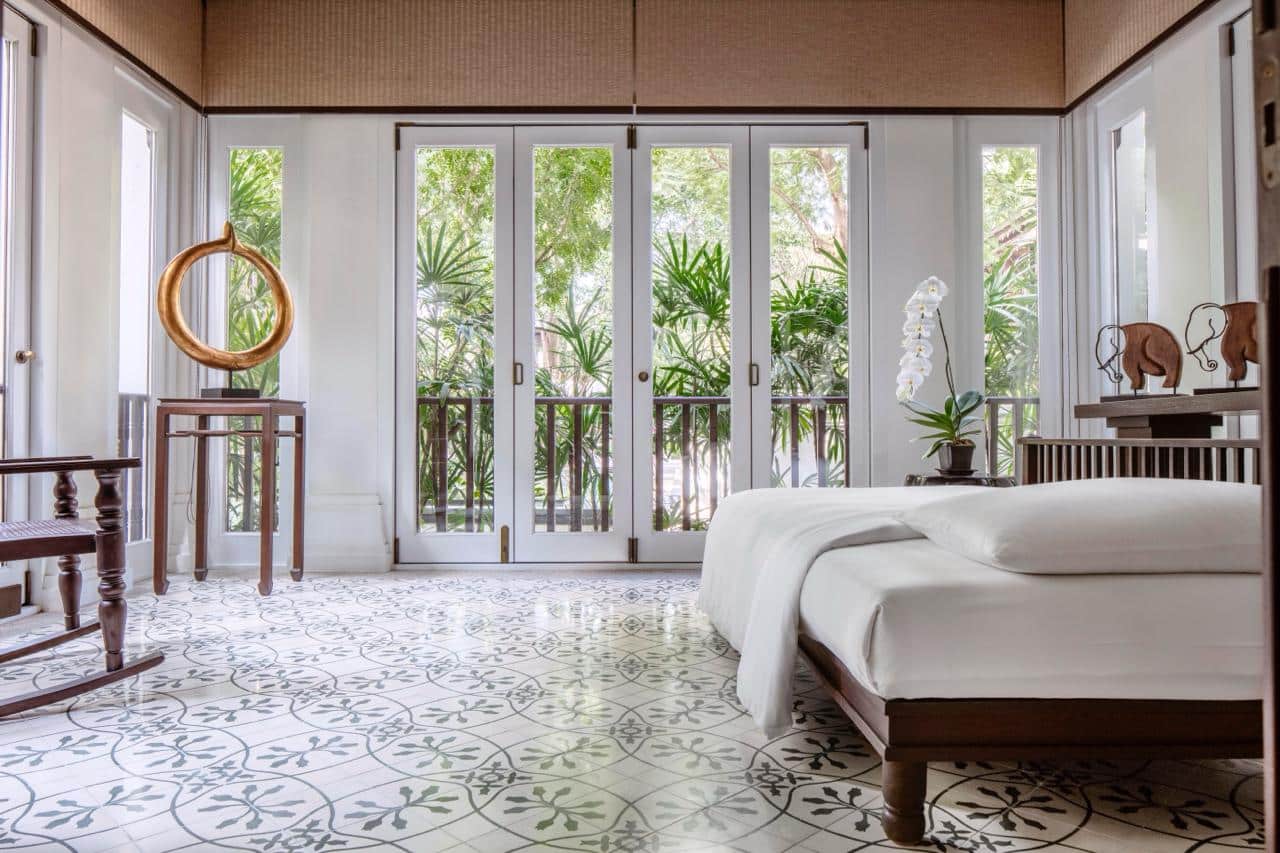
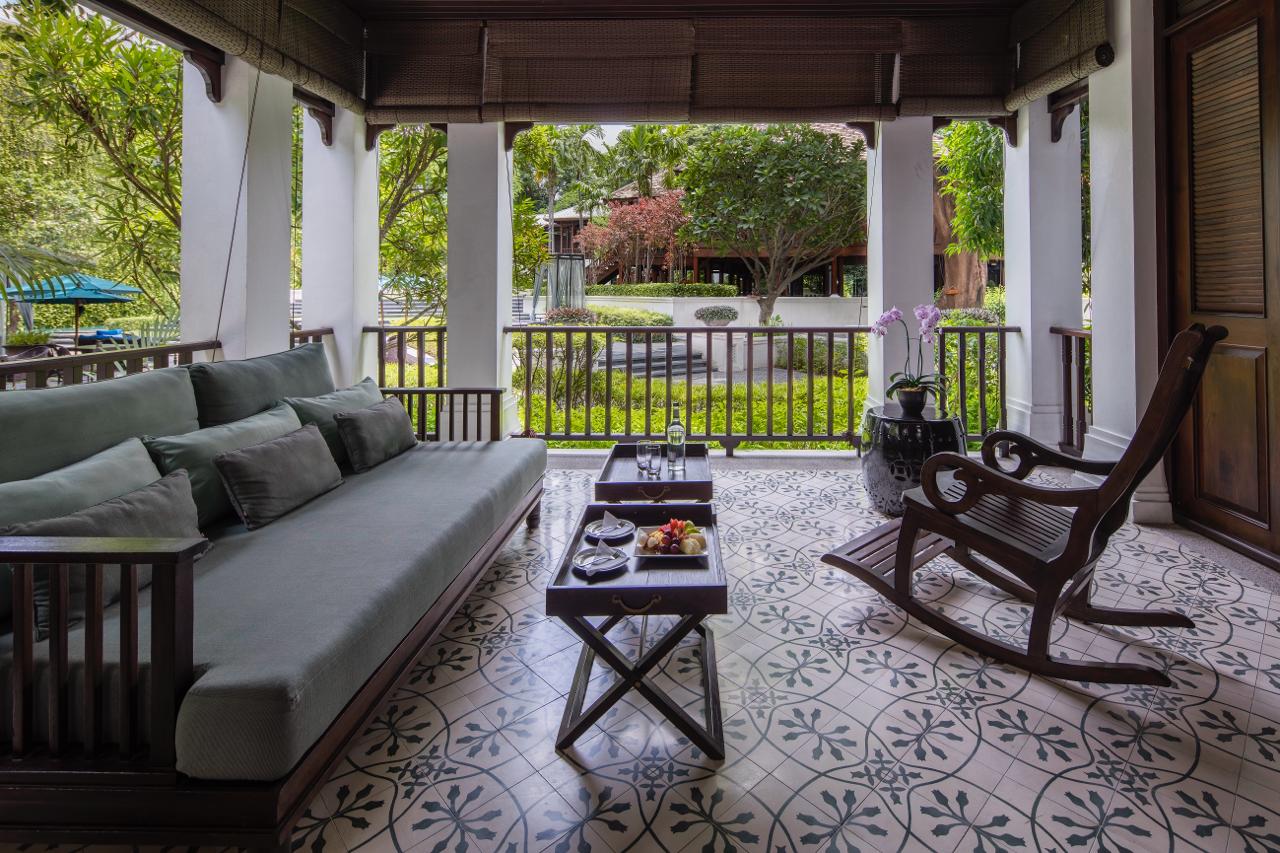
There are four different suite configurations that range in size from 750 to 1,500 square feet, including two with small private pools and attached verandas with outdoor showers. These offer all the finest modern conveniences, such as air conditioning, flat-screen TVs, and Wi-Fi. They have high ceilings and are well-designed with comfortable furniture. The bathrooms are spacious and luxurious, with free-standing ball and claw feet baths and dual basins. They are well-appointed, with indoor and outdoor showers and imported tile flooring. The beds have 400 thread count bed linen and are extremely comfortable, with a pillow program allowing guests to select the perfect pillow! There is a feeling of nostalgia with framed antique prints on the walls and the colonial ambiance from the slatted wood blinds and rattan furniture, evoking another era. The units are very private. Each suite is surrounded by diverse tropical foliage planted between the trees, and there are views from every window and veranda. Two of the suites have private swimming pools — and, of course, they all come with a butler!
The interiors and finishes are of the highest standards. Jim Thompson’s iconic, handwoven Thai silk fabrics were used throughout the suites. I examined the upholstery and drapes critically and found the workmanship impeccable. All upholstering was expertly done, perfectly piped, and joined, with no unnecessary pulling. I also admired the drapes, which were hand-finished and lined, their folds hanging perfectly like soldiers standing to attention. The excellent interior designs were executed by P49 Design Associates.
SWIMMING POOL.
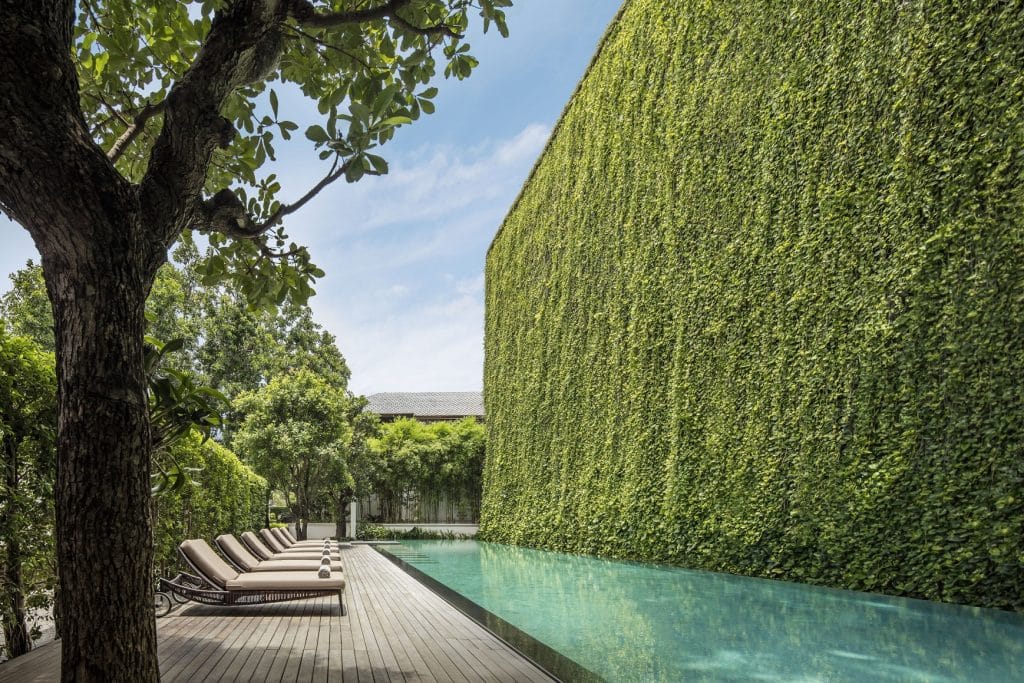
This is one of my favorite swimming pools ever! Simple straight lines juxtaposed together blend harmoniously with the textured green foliage. The design came about organically because the green “living wall “successfully conceals the view of newer buildings in the surrounding neighborhood that would have intruded into the view. It was a perfect design solution for maintaining the serenity of the hotel and its surroundings.
The 49-foot tall living wall is “draped” with “money plants” that cling to its sides from top to bottom, cascading into the rectangular, 82-foot lap pool lined with green slate. Those staying at 137 Pillars House can ask the butler to prepare one of the inviting day beds with luxurious towels and relax in this one-of-a-kind space while the butler orders drinks and tasty snacks for your complete experience. Life will never be the same again, and you may find yourself craving this lifestyle!
THE SPA.
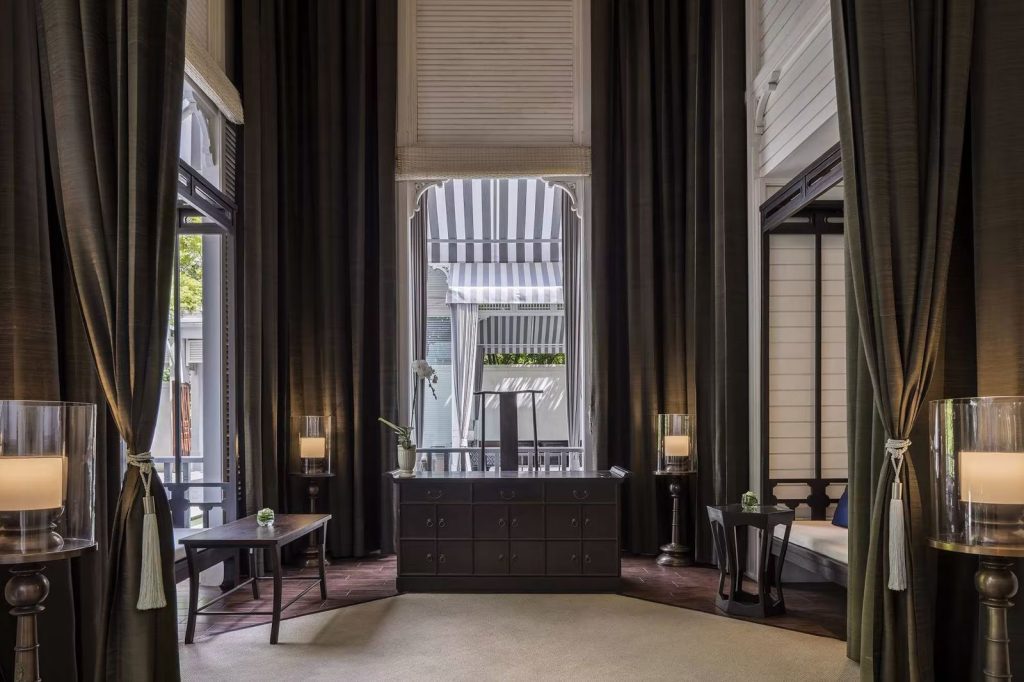
Relax in this tranquil spa offering several different types of massage, aromatherapy, and facials. For the height of pampering, experience the Nitra Serenity Center that will leave you feeling “restored, invigorated, and full of vitality”
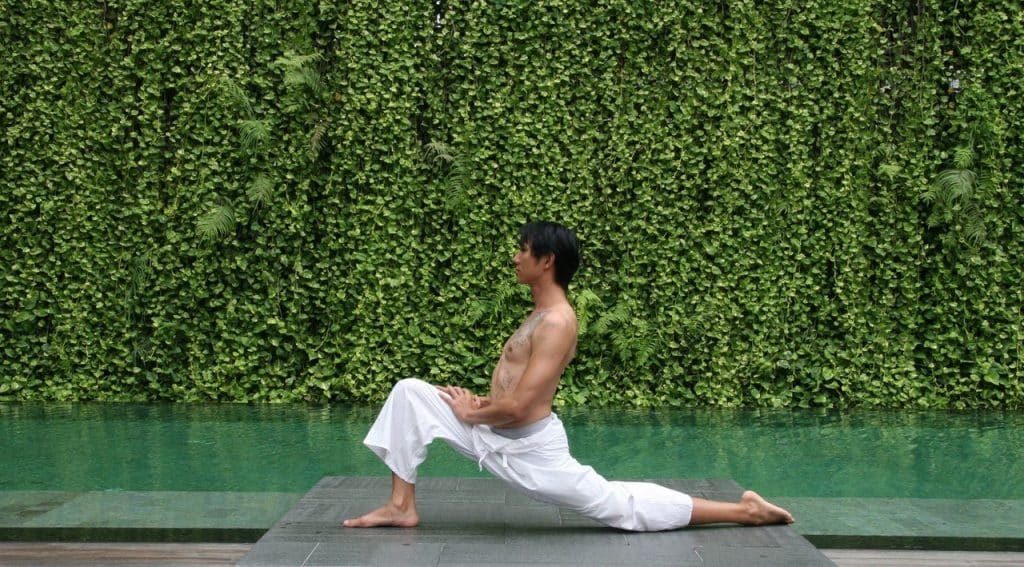
YOGA AT THE POOL.

THE GYM.
Only the best, most up-to-date equipment is available in the gym that has a trainer who will keep you in shape after indulging in delicious food and too many cocktails.

SPECIAL EVENTS.

A Romantic Picnic nearby, for guests staying at 137 Pillars House.
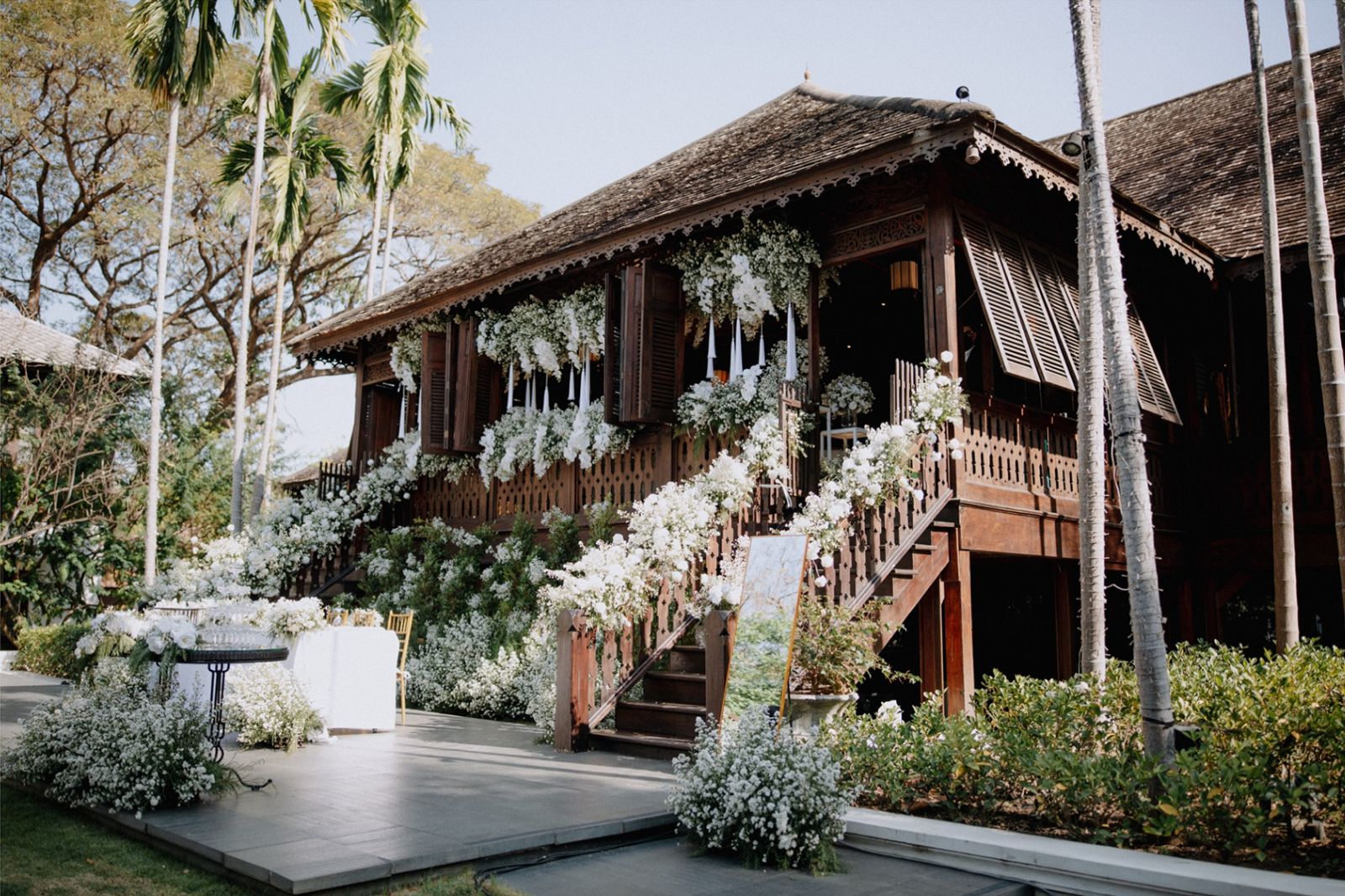
WEDDINGS.
Thinking of planning a destination wedding? Use the in-house team of culinary experts, florists, and designers to set the stage for a one-of-a-kind event. Celebrating a birthday, why not have it here?
OUTSTANDING SERVICE.
Although the hotel opened in 2012, it is regularly updated, and the outstanding service has never wavered.
In 2024, 137 Pillars Hotels and Resorts was named a finalist for the best in Thailand and the best in Asia in the “2024 DestinAsian Readers Choice Awards.”
CONCLUSION.
I was drawn to this story because I am fascinated by old buildings with a history of having fallen into disrepair and are later restored, saving them and their history for another time and another use.
This is a form of “re-cycling” worthwhile heritage buildings, known architecturally as “Adaptive Reuse of Space.” In this instance, the abandoned old building that was the headquarters of the Circa 1880 Borneo Company was immaculately restored and is the centerpiece of the award-winning 137 Pillars House. What makes this refurbishment even more intriguing is how it relates to “Anna and the King of Siam,” a story well-known in the West. Who could have guessed the backstory behind the old Teak House or that Anna and the King of Siam, an unlikely story, really happened?
137 Pillars House is now a growing brand with its second outpost in Bangkok. It plans to add more projects under the same name.
I WANT TO THANK 137 PILLARS HOUSE FOR SHARING THEIR PROFESSIONAL PHOTOGRAPHS AND FOR ALLOWING THEM TO BE PUBLISHED IN THIS POST.
What an interesting story beautifully told. The images are spectacular!
A place that is calling for me.
Thank you.
Mila,
Thanks for reading. It’s not just callling me, it’s calling me back! It’s a unique hotel experience with a wonderful backstory.
Phyl.
This is a most engaging story about a magnificent place. You sure find amazing spots!
Jo,
Thanks for reading.One of the most surprising and inteeresting hotel reviews that I’ve done. The hotel is a gem and the service is well deserving of all its awards.
Phyl.